.png)

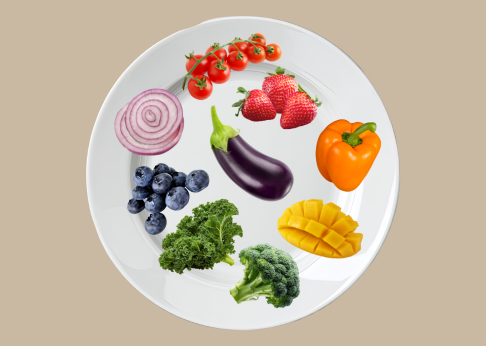
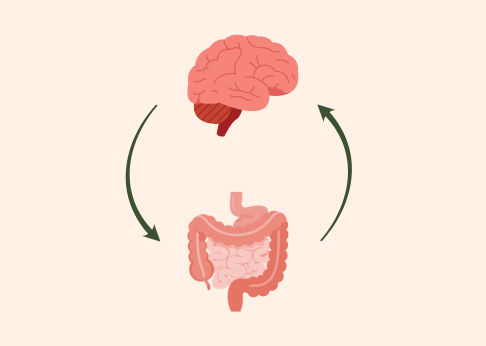
Vegetarian diets can be one of the most gut-supportive ways of eating. Plant foods provide fiber and polyphenols that nourish beneficial bacteria in our digestive system. When these bacteria break down fiber, they produce compounds called short-chain fatty acids (SCFAs), which help support the intestinal lining, immune function, and overall digestive health.1
However, eating a vegetarian diet can become more complicated when you are also managing a GI condition. Many vegetarian staples are naturally high in fiber, with some containing fermentable carbohydrates known as FODMAPs, which can trigger symptoms in some individuals.2,3
Depending on your symptoms or diagnosis, changing the type of fiber, portion size, or texture of a food may help improve tolerance. When foods do need to be limited, it is also important to consider what they are providing, such as protein, fiber, vitamins, or minerals, and find tolerated alternatives that provide similar nutrients.
Here are a few strategies for adapting a vegetarian diet to better support your GI needs:
For individuals with IBS, soluble fiber is generally better supported for symptom management, while insoluble fiber, such as wheat bran, may worsen symptoms for some people. Psyllium, oats, avocado, and sweet potatoes are examples of soluble fiber sources that can be prioritized in a vegetarian diet.2,4
Sometimes changing how a food is prepared can make it easier to tolerate. If higher-fiber foods are contributing to symptoms, try changing the texture by cooking, blending, mashing, or pureeing foods, and adjust portions based on your individual tolerance.
Some common vegetarian staples, including certain legumes, wheat products, onion, garlic, and fruits, can be high in FODMAPs. For people with IBS, a temporary low-FODMAP diet may help identify foods that contribute to symptoms.2,3 However, the restrictive phase is not intended to be followed long term. With the help of your dietitian, foods can be gradually reintroduced to determine individual tolerance and build a more varied, personalized diet.2,3
Following a low-FODMAP diet as a vegetarian may require some additional planning. If you do need to limit foods that normally provide protein, fiber, or other important nutrients, the next step is making sure those nutrients are replaced with foods you tolerate.
For vegetarians managing GI symptoms or following a more restrictive diet, some key nutrients to keep in mind include protein, iron, calcium, vitamin B12, and zinc.3
Protein: If beans and lentils are limited, try incorporating other tolerated protein sources throughout the day. Options may include firm tofu, tempeh, nuts, seeds, nut or seed butters, edamame, pea or rice protein, and grains such as quinoa and oats. If you include eggs or dairy products, these can provide additional protein as well.3,5 Your protein doesn't have to come from a singular source. Different foods across the meal can contribute toward your overall protein intake.
Iron: Plant-based sources of iron include tofu, tempeh, quinoa, pumpkin seeds, fortified oats, spinach, sesame seeds, sunflower seeds, and edamame. If some of your usual iron sources are limited because of GI symptoms, aim to regularly include other tolerated options.
Calcium: If dairy isn't part of your diet or isn't well tolerated, calcium can come from foods such as calcium-set tofu, fortified plant beverages, chia seeds, kale, bok choy, and broccoli.
Vitamin B12: Fortified plant beverages and fortified nutritional yeast can provide B12, while eggs and dairy can also contribute B12 for those who include them.
Zinc: Vegetarian sources of zinc include pumpkin seeds, firm tofu, tempeh, nuts, sunflower seeds, and wild rice. As with the other nutrients, the goal is to choose options that fit both your dietary preferences and individual GI tolerance.
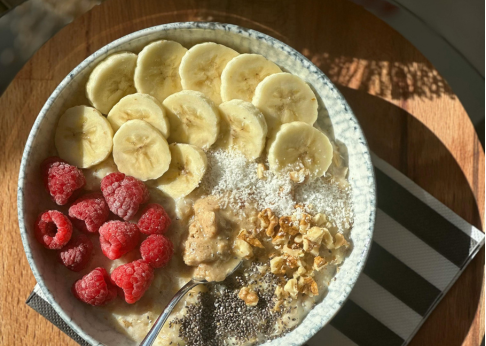
Breakfast: Oatmeal made with a fortified plant beverage, topped with chia seeds, peanut butter, and a tolerated fruit. This combination provides protein and fiber, while a fortified plant beverage can contribute calcium and vitamin B12.
Lunch: A quinoa bowl with firm tofu, cooked spinach or bok choy, pumpkin seeds, and a tolerated dressing. Tofu and quinoa contribute protein and iron, while pumpkin seeds add zinc.
Dinner: Tempeh with rice, cooked vegetables, and a tahini or seed-based sauce. Tempeh provides protein, iron, and zinc, while the grain and vegetables add additional carbohydrates and fiber.
GI symptoms can change which foods work best for you, and your vegetarian diet may need to change with them. Adjusting fiber type, portions, or food preparation can help you find what you tolerate, while more targeted strategies such as a low-FODMAP diet may be appropriate for some people. You don't have to navigate these changes on your own. Salvo Health's registered dietitians can work with you to identify foods that work well for your symptoms, ensure your vegetarian diet is meeting your nutritional needs, and find practical substitutions that fit your preferences and lifestyle. Together with your Salvo Health care team, your dietitian can help you build an eating pattern that supports both your digestive health and overall nutrition.