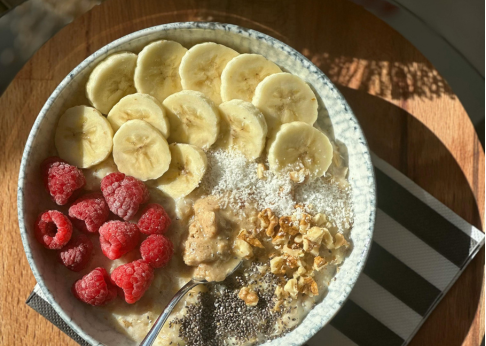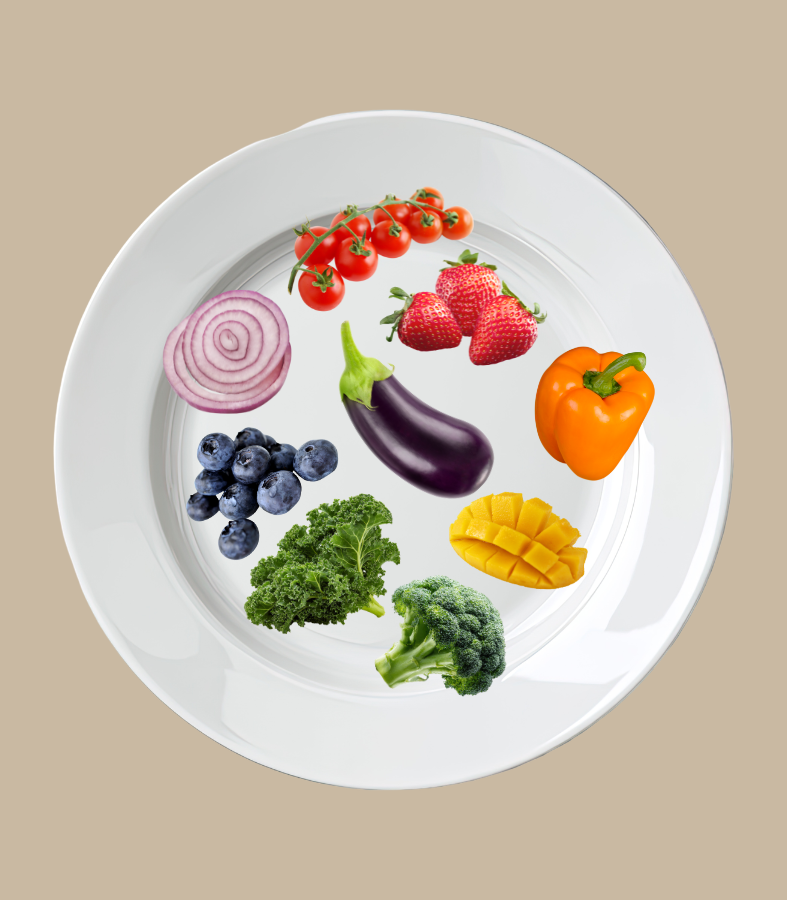

Who can resist a vibrant, colorful plate of food? Eating a meal packed with colorful fruits and vegetables is not just appealing to the eyes and taste buds but also the gut. It turns out that each hue offers its own nutrients, antioxidants, and vitamins, all contributing to overall health and well-being.
The compounds that make fruits and vegetables so colorful are called phytonutrients. Phytonutrients have many health benefits, such as protecting against cancer and other chronic diseases. Research indicates that these foods support digestive health in numerous ways. For example, one study found that diets rich in a variety of vegetables were related to a lower incidence of colorectal cancer.1 Many of these colorful pigments act as antioxidants, which combats inflammation, one of the main symptoms in those with irritable bowel syndrome (IBS) and inflammatory bowel disease (IBD). Further, another study shared that cardiovascular disease risk — a common co-morbidity in those with IBS and IBD — was lowest as fruit and vegetable intake increased.2
In their dietary guidelines, the U.S. Department of Agriculture (USDA) recommends eating a wide variety of fruits and vegetables — 3 servings per day — and having a diverse diet that includes foods of different pigments. The truth is, many Americans are not meeting these daily recommendations. Whether it is due to trouble accessing these foods, financial struggles, or personal preference, the CDC reports that only 1 in 10 U.S. adults are eating enough fruits and vegetables.3 If cost is an issue, opt for buying produce in season, having frozen or canned fruits and vegetables on hand, or by choosing items that are on sale each week at the grocery store. If you have questions on how to fit more of these colorful foods in your diet, your Salvo Health dietitian can help.
For your digestive and overall health, include as many colors on your plate as you can. Below is a list of these powerful phytonutrients, the colors they are associated with, and the benefits they provide.
Red (lycopene, betalains) - strawberries, raspberries, tomatoes, cherries, beets, red peppers, red onions, beets
Benefits:
Orange and Yellow (beta carotene, carotenoids) - carrots, sweet potatoes, orange bell peppers, papaya, pumpkin, mangoes, apricots
Benefits:
Green (chlorophyll) - kale, spinach, collard greens, broccoli
Benefits:
Blue and Purple (anthocyanins, flavonoids) - red cabbage, eggplant, blueberries
Benefits:
White (allicin) - cauliflower, daikon radish, garlic, mushrooms, onions, parsnips, potatoes
Benefits:
Next time you are planning your meals or making your shopping list, try to include foods from a couple of these colorful groups to reap the many benefits they can provide. Salvo Health’s registered dietitians can help you identify which colorful foods may be most beneficial for you. Eating a colorful plate of nutrient-dense foods is a wonderful way to take care of yourself and enjoy every bite!