
By now, we’ve all heard the hype on GLP-1 medication use and how it can be a booster for reaching weight loss goals. As helpful as they are, we cannot lean completely on using a GLP-1 medication for weight loss. This medication is just a piece of the puzzle for weight loss and maintenance. Nutrition and lifestyle changes still matter when it comes to using a GLP-1 medication. Working with a registered dietitian (RD) can be a crucial step of the process to make your weight loss journey seamless.
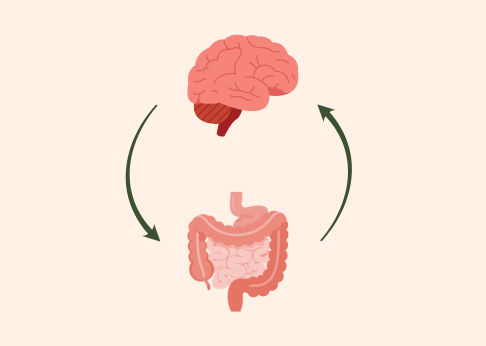
GLP-1 stands for glucagon-like peptide-1. It’s a hormone that is actually produced in the body naturally and is released from the small intestine when we eat. Once released, it has three main jobs:
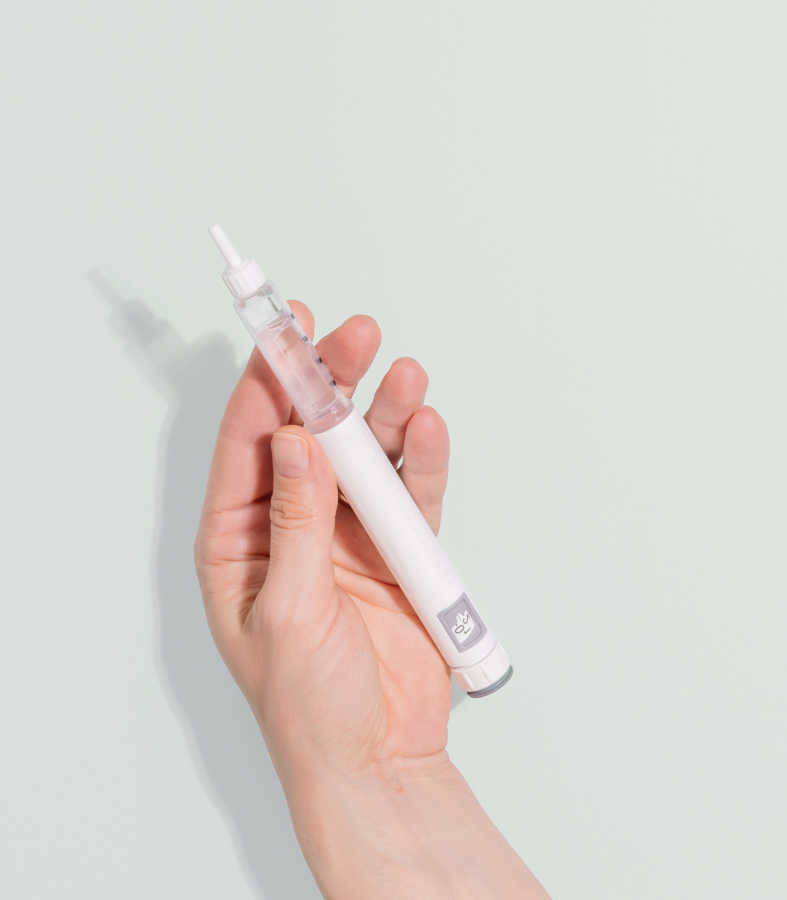
A GLP-1 medication is a medication that mimics the GLP-1 hormone as discussed above. There are many different brand names of GLP-1 medications (also known as Semaglutide). Some of the most common brand names are Ozempic and Wegovy.
There are also combination medications of GLP1 & GIP (glucose-dependent insulinotropic polypeptide), known as Tirzepatide. The brand names you may know are Mounjaro and Zepbound. The GIP part of this medication works alongside GLP-1 to help stimulate the release of insulin, stimulate fullness and satiety in the brain, and reduce the breakdown of bone.
Even though we make these hormones naturally, they are broken down by the body quickly, so the effects of the hormones are short-lived. The GLP-1 medication can amplify these effects, providing a stronger sense of fullness/appetite control and a longer lasting effect on blood sugars. This can be therapeutic for those with type 2 diabetes, helping to reduce their post-meal blood sugar spikes and lowering their A1C with time.
While GLP-1 medications can work wonders at reducing cravings and helping us feel satiated, we still have to fuel our bodies properly while using this medication.
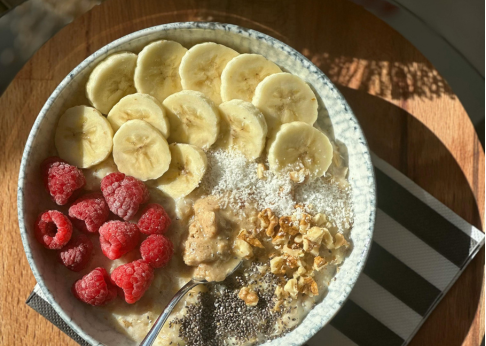
With a reduced appetite, it’s easy to fall short on the nutrients that our body needs in order to support our energy and metabolism. When eating less overall, it’s important to choose foods that are nutritionally adequate. Make the meals count!
Working with an RD can make understanding nutrition on a GLP-1 simple. Salvo Health’s registered dietitians are here to help you build a personalized nutrition plan that supports your individual health goals, symptoms, and nutritional needs.