
National Nutrition Month invites us to “Discover the Power of Nutrition.” That power extends beyond nutrients and macronutrients. It includes culture, identity, access, and sustainability.
As healthcare shifts toward more personalized, patient-centered models, nutrition guidance must move beyond generic recommendations and account for cultural food practices.
A growing body of research demonstrates that many traditional, culturally rooted dietary patterns are associated with improved cardiometabolic health and overall diet quality.¹ Foods common across diverse traditional diets — including fruits, vegetables, legumes, whole grains, fish, and fiber-rich staples — are consistently linked with lower risk of cardiovascular disease and type 2 diabetes.
In populations undergoing nutrition transition, traditional dietary patterns are often healthier than more Westernized eating patterns that emerge with globalization and urbanization.² While modern eating behaviors are becoming increasingly homogenized worldwide, traditional food practices remain culturally distinct and meaningful.³,⁴
At the same time, research consistently shows that dietary guidance that excludes or restricts culturally significant foods reduces long-term adherence. When recommendations conflict with cultural identity, affordability, family traditions, or religious practices, they are often perceived as unrealistic or unsustainable.
Among Mayan individuals with diabetes, non-adherence to prescribed diets was strongly influenced by dislike of recommended foods and cost, as well as the central cultural role of staple foods in daily life and community celebrations.⁵ Similar patterns are documented among immigrant and refugee populations, where culturally incongruent advice contributes to reduced engagement, while access to culturally familiar foods improves dietary quality.⁶
Major cardiovascular guidelines explicitly recommend adapting dietary patterns to cultural food preferences to support long-term adherence and improved outcomes.⁷ Equity-focused analyses further highlight that many dominant dietary frameworks remain rooted in Eurocentric assumptions, limiting their effectiveness without thoughtful cultural adaptation.⁸
Registered dietitians play a critical role in translating evidence-based nutrition into culturally responsive care. Clinical practice guidelines recommend that dietary counseling be individualized through discussion of cultural or religious food traditions, cooking practices, and food access to ensure recommendations are realistic and sustainable.⁹ When nutrition care is culturally tailored, patients report greater engagement and stronger alignment between health goals and identity.¹⁰
Effective strategies go beyond food substitutions. Deep socio-cultural adaptations, community-engaged approaches, and culturally relevant education materials have been shown to strengthen dietary behavior change.¹¹ The use of motivational interviewing further allows dietitians to explore cultural influences on food choices while validating identity and supporting practical modifications.¹²
During National Nutrition Month®, discovering the power of nutrition means recognizing that when dietary guidance honors culture, it becomes more sustainable, more equitable, and ultimately more effective.
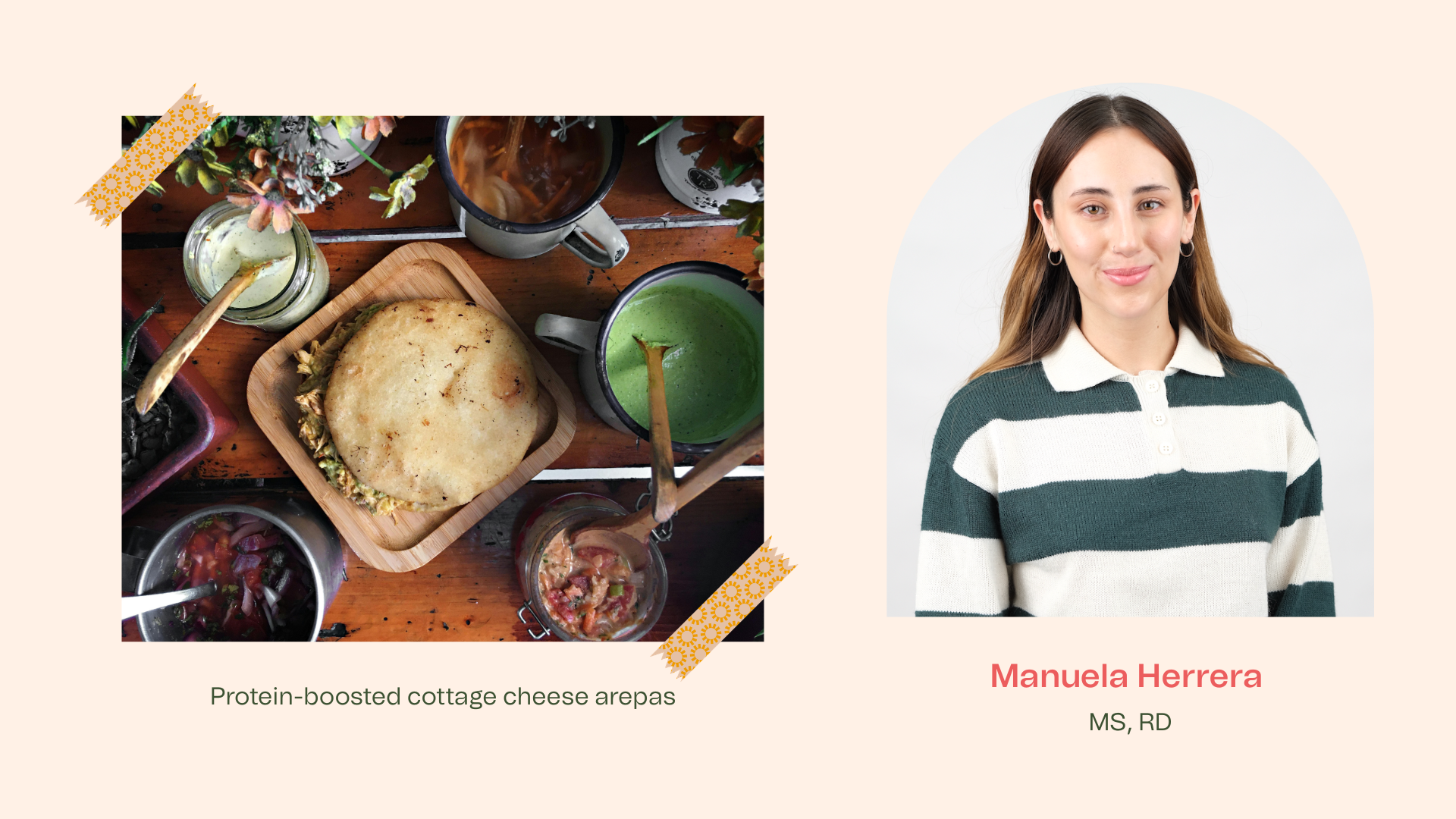
One way to center culture while applying evidence-based nutrition principles is through simple adaptations to traditional foods.
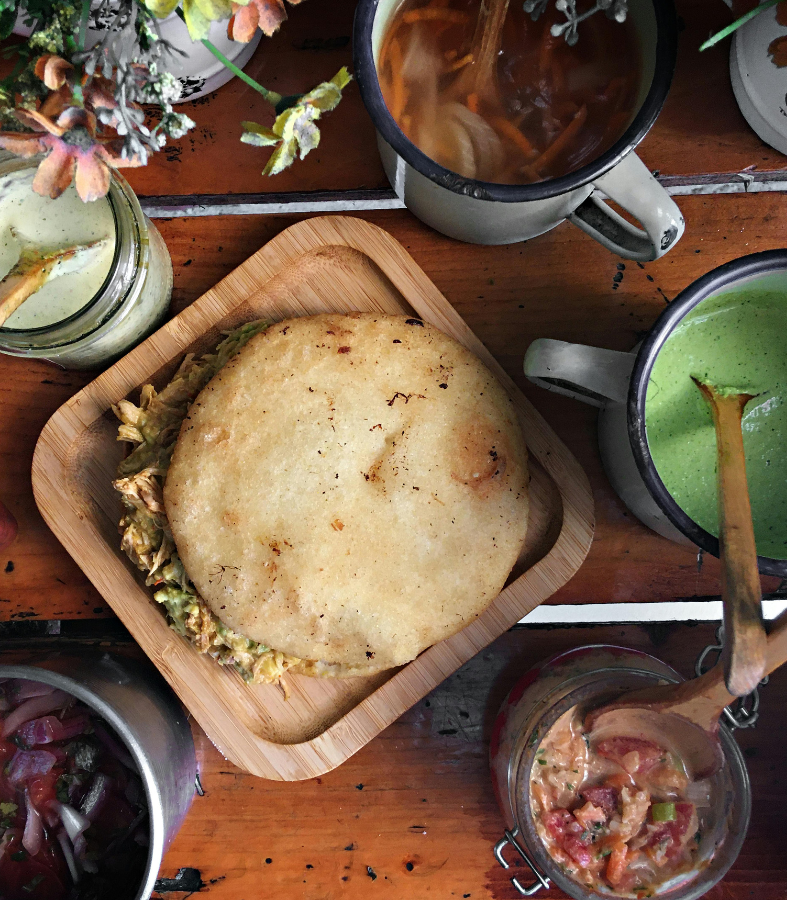
Arepas are a staple in many Latin American households. Rather than eliminating them due to carbohydrate content, they can be modified to support glycemic balance and satiety.
These additions increase protein and fiber density, helping to blunt post-meal glucose response and improve satiety without removing the cultural foundation of the dish.