.png)
Established by the Academy of Nutrition and Dietetics, Registered Dietitian Nutritionist (RDN) Day is celebrated each year on the second Wednesday of March. Held during National Nutrition Month — a campaign dedicated to helping people build healthy, sustainable habits — the day highlights the vital role registered dietitians play in improving patients’ lives.
At Salvo Health, we are proud to work alongside a talented team of in-house registered dietitians who are passionate about helping patients feel better and live healthier lives. In honor of this year’s RDN Day, we spoke with our team to learn more about what it means to be a dietitian.
We asked: What does nutrition mean to you? What do you love most about being a dietitian? Read on to discover why our RDs do what they do, and how they’re shaping the future of nutrition care.
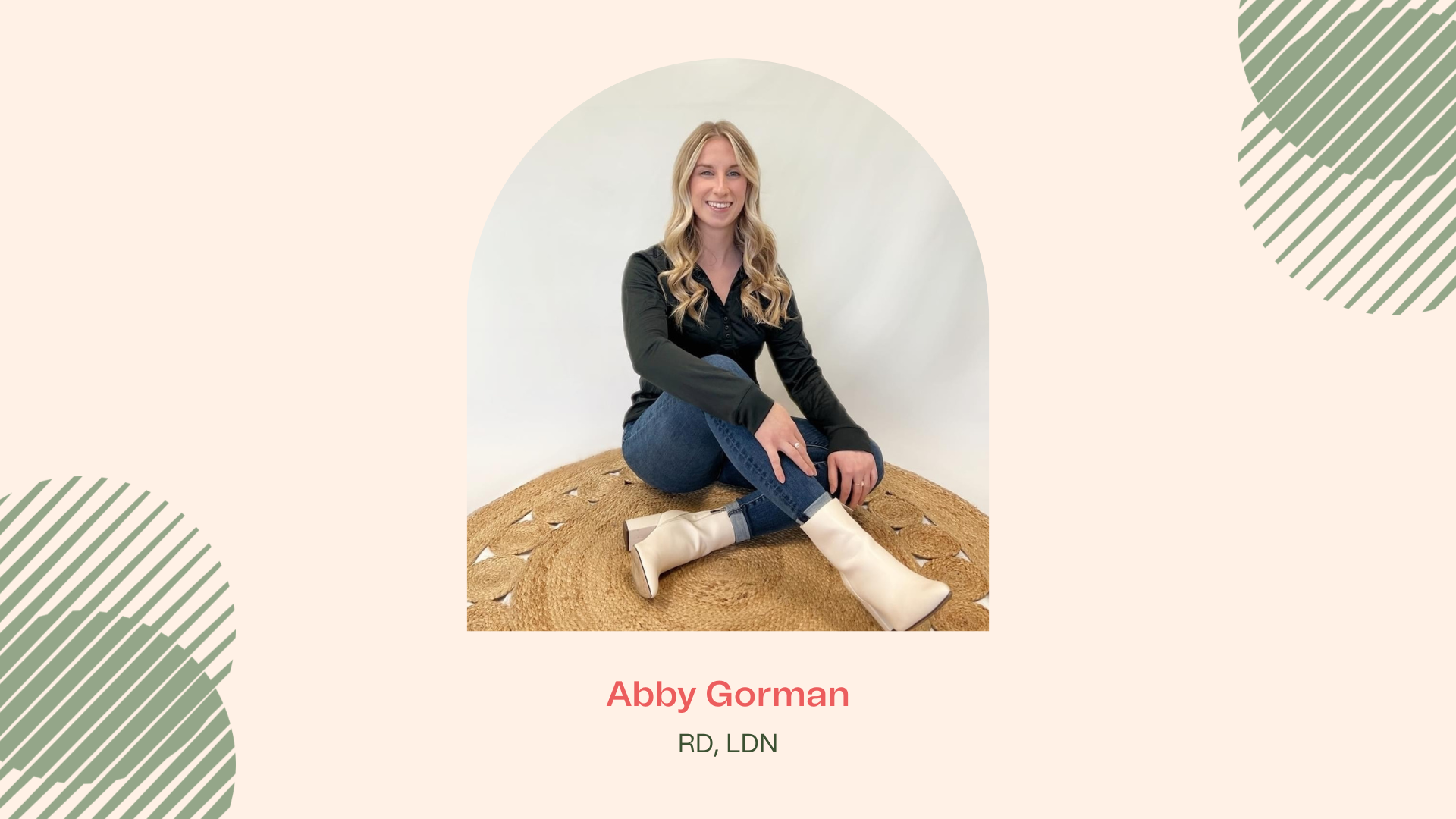
Nutrition is far beyond numbers such as calories and macronutrients. Nutrition is the fuel for our body that helps us reach goals, manage chronic conditions, and protect us from future health complications. Nutrition, to me, also means love & connection — in a way that it brings together friends, family, and even strangers. It is one thing that everyone in the world has in common!
What I love most about being a dietitian is not only helping people make better sense of nutrition and its connection to our health and wellness, but also having the ability to strengthen and heal relationships with food.
To me, nutrition means providing the body with nourishing foods to support health, energy, and overall well-being. What I like best about being a dietitian is the opportunity to help people rediscover joy in food. Food is meant to be enjoyed, shared, and celebrated, and I love helping others build a relationship with food that feels peaceful and nourishing. Watching someone feel confident choosing foods they truly enjoy, without fear or shame, is one of the most rewarding parts of being a dietitian.
Nutrition, to me, is so much more than numbers, calories, or the food pyramid. It’s part of our everyday lives and our identities — how we connect with culture, celebrate milestones, and gather with the people we love.
I became a dietitian because I genuinely enjoy helping people and supporting them in finding peace with food. I love combining my analytical, problem-solving side with meaningful human connection to create individualized approaches. My goal is to help people feel more confident and more at ease in their relationship with food.
Nutrition means so many things to me, and my appreciation for it has only grown as I've continued to practice as a dietitian. Initially, I was drawn to better understanding how our bodies process various nutrients, and that interest has grown into learning how to manipulate those processes to best help individuals achieve whatever goals they may have. I love breaking down these highly complex systems into actionable and understandable highlights for patients, allowing them to understand why they are doing something rather than just following a set of instructions. The human body is an amazing work of art, and understanding how it works, how to best fuel ourselves, and helping patients feel their absolute best in their own bodies have been some of my favorite things about this field.
To me, nutrition means many different things, including nourishing the body, but also finding balance in quality of life. My favorite part about working as a dietitian is making food enjoyable again for patients and helping them transform restriction around food into expanding their diet while feeling their best.
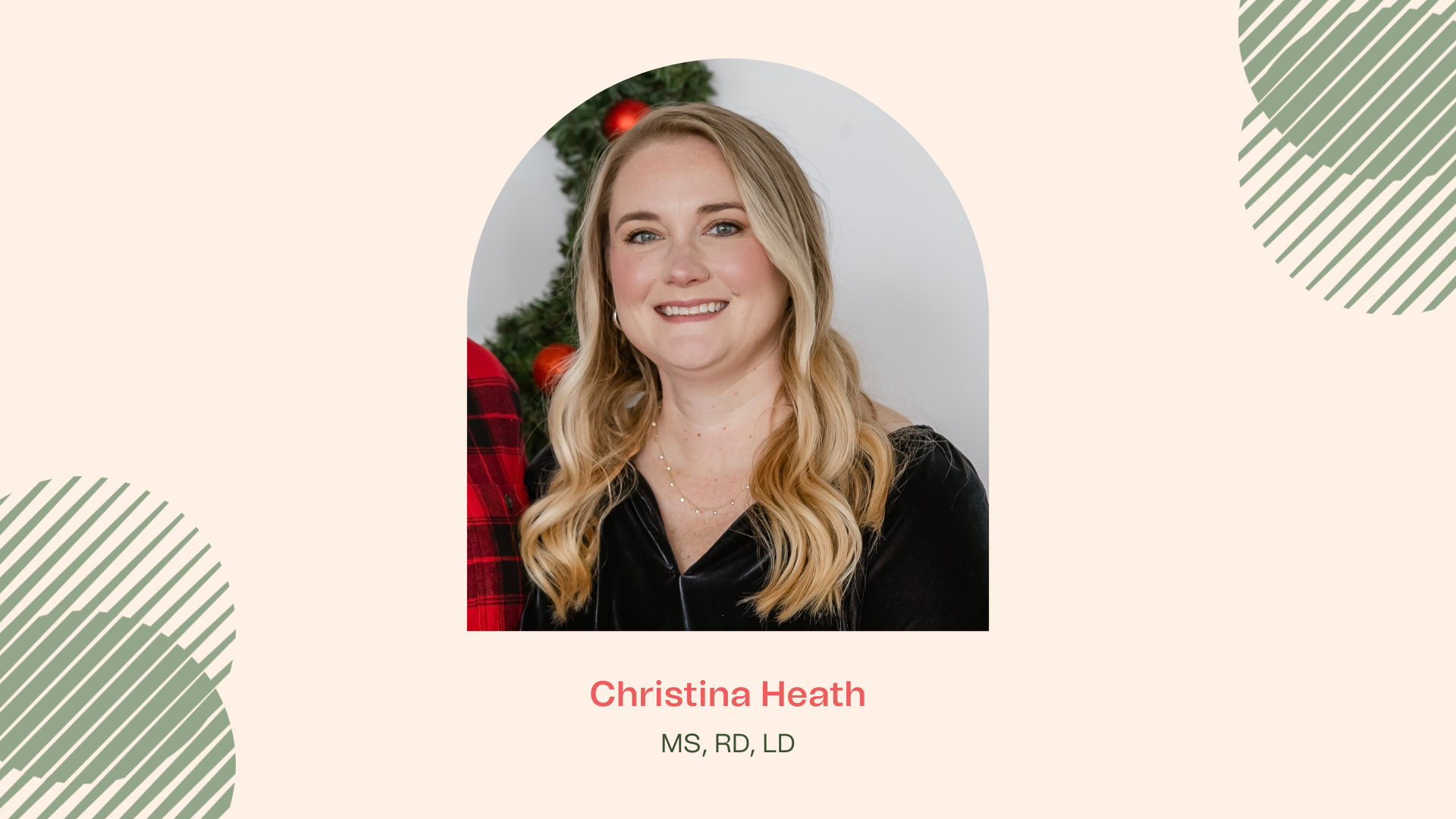
To me, nutrition means fueling the body in a way that supports both health and quality of life. I love being a dietitian because I get to help people move away from confusion or restriction and toward clarity, confidence, and sustainable habits that fit their lives.
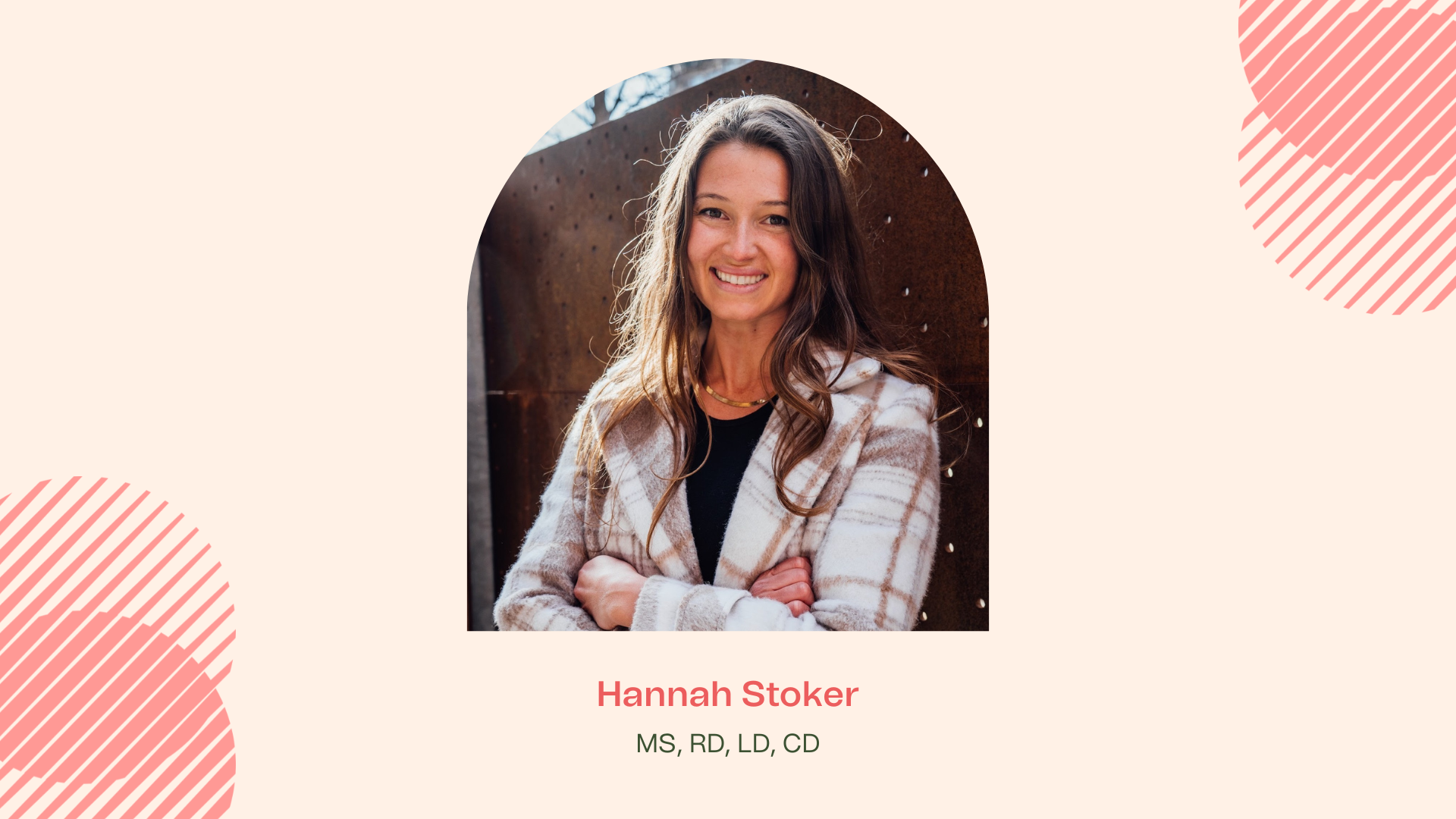
Food can be a foundational way to improve quality of life: sustain consistent energy levels, ameliorate symptoms, and reduce chronic disease risk. But food is so much more than its biochemical components. I love my work as a dietitian because not only do I get to support people in embracing food as nourishment and an integral pillar to make progress toward health goals, but also I get to underscore food as sharing joy with loved ones, a way to engage with food traditions and to connect to nature. Watching my patients build confidence in their food and lifestyle choices over time is the most rewarding part about being a dietitian.
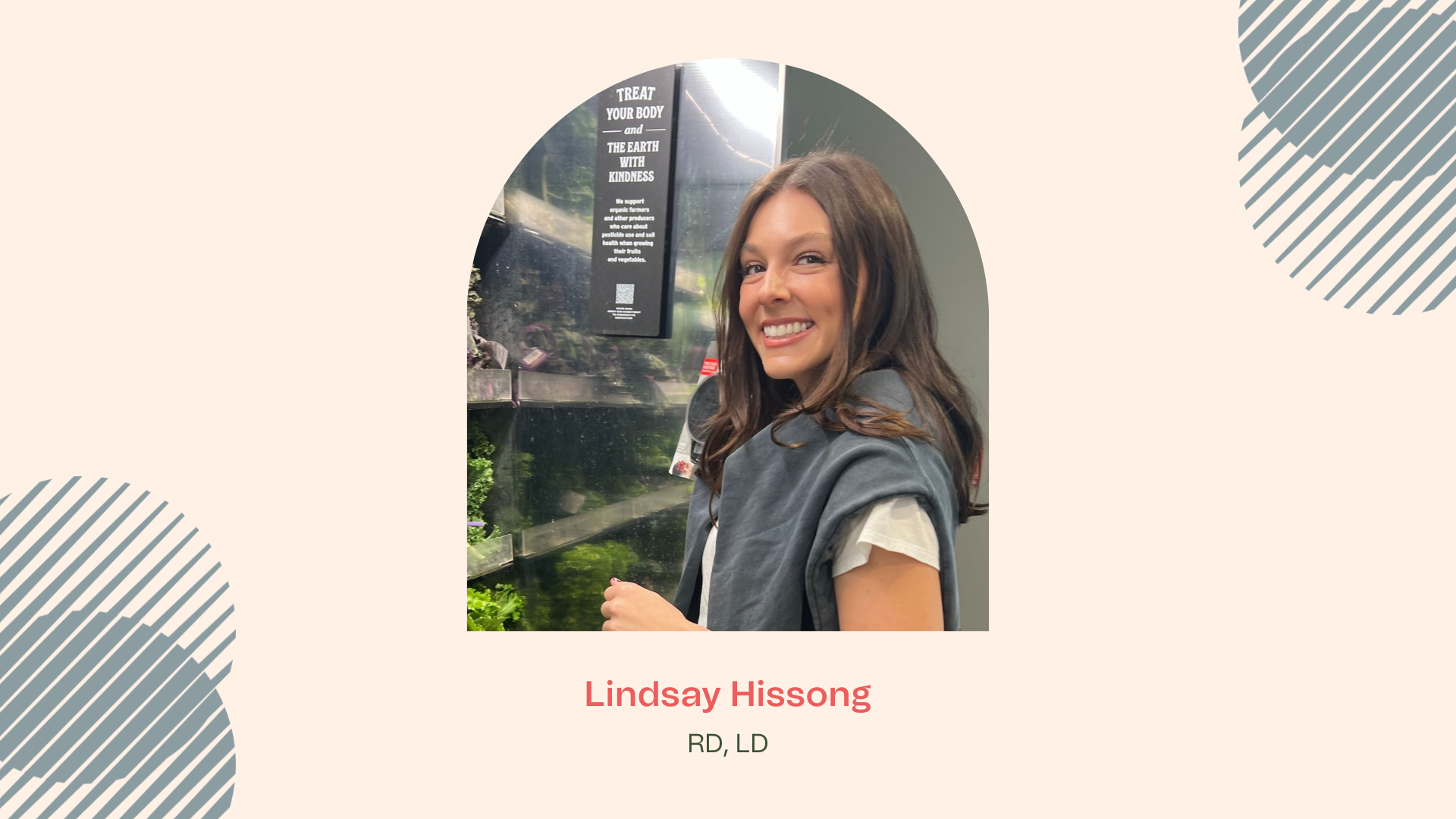
Nutrition, to me, represents self-care and self-love — a way to set ourselves up for a long, healthy life while truly enjoying the present. What we choose to put into our bodies each day has a powerful impact on our overall well-being, both now and in the future. I love that nutrition is not only preventative but also meets people wherever they are on their health journey, helping improve symptoms, manage diagnoses, and support overall wellness. Understanding nutrition can be deeply empowering, giving people the knowledge and confidence to make choices that support their health and life goals.
I love being a dietitian because I get to teach others how food can positively influence every facet of life — mental, physical, and even spiritual. In a world full of conflicting nutrition information, being a dietitian allows me to be an evidence-based, trustworthy guide. Creating a space where patients feel seen, heard, and empowered to make choices that bring them both health and joy is the most rewarding part of my work.
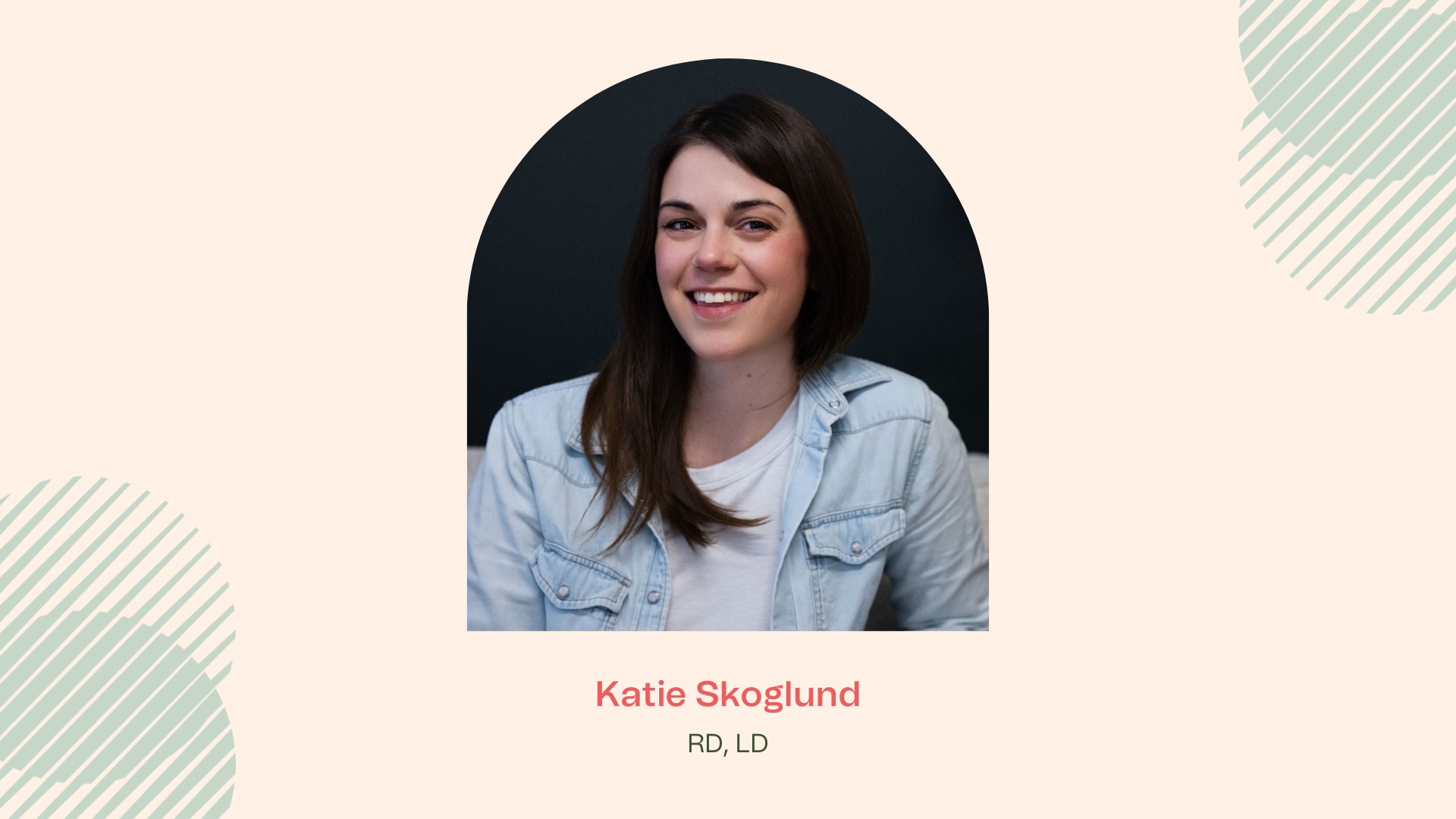
I love my work as a dietitian because the person sitting on the other side of the table from me is important and deserves to feel their best. Nutrition is fundamental to living a healthy life, but it is not one-size-fits-all. I work with my patients to develop personalized strategies to address their unique struggles. My patients are on a journey to better health, and for a time, I get to join them on that journey. I am really grateful for that opportunity.
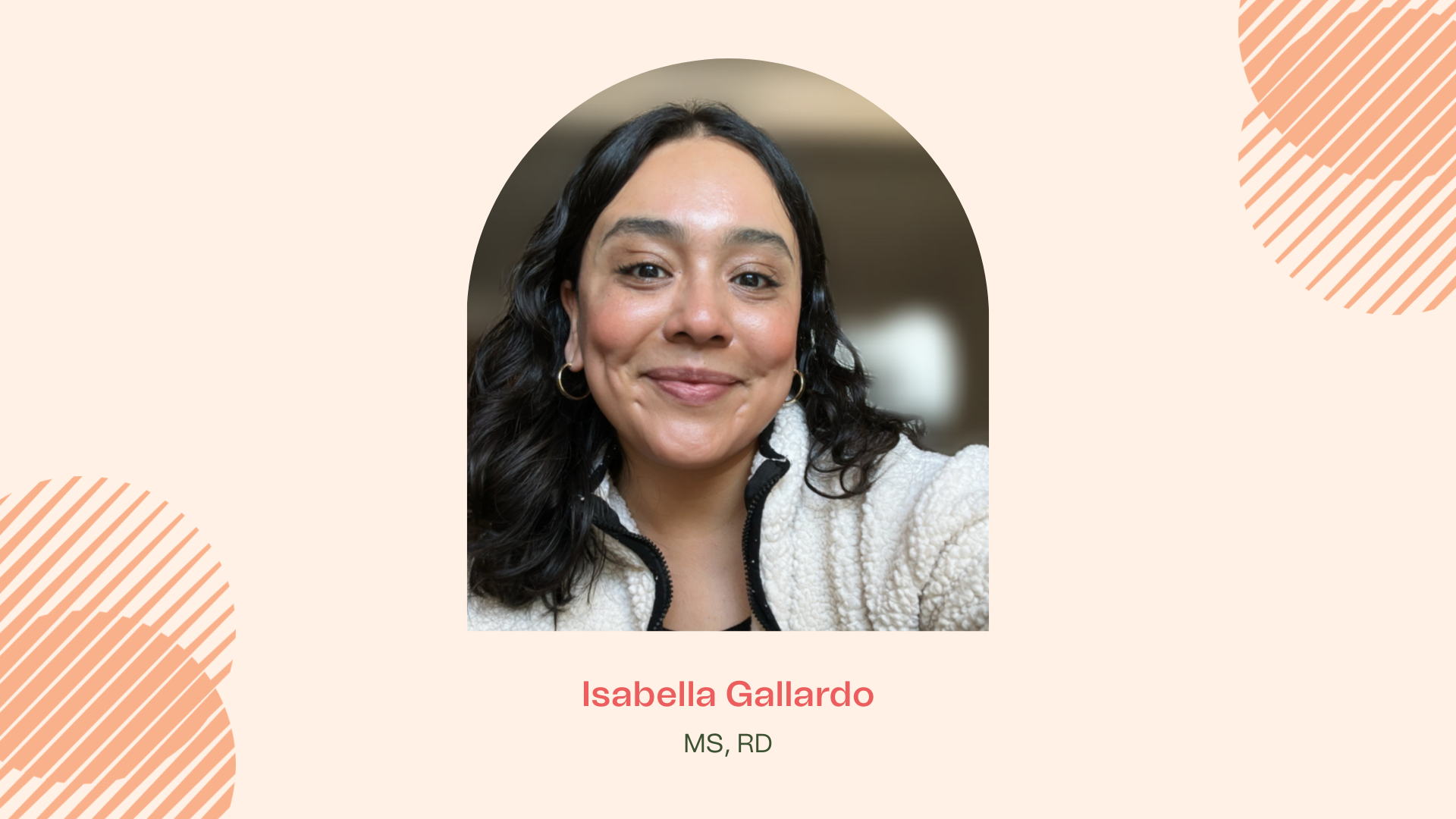
To me, nutrition is a way to nourish the body, support healing, and help people feel their best. It’s about building a sustainable and supportive relationship with food and using nutrition as a practical tool to improve energy, metabolic health, and overall well-being.
What I love most about being a dietitian is helping people find clarity around nutrition and guiding them toward approaches that are realistic, evidence-based, and personalized.
It’s incredibly rewarding to see patients feel more confident, more at ease with food, and more connected to their health. Being a dietitian allows me to combine science and empathy to help others create meaningful, lasting change, which makes this work deeply fulfilling to me.
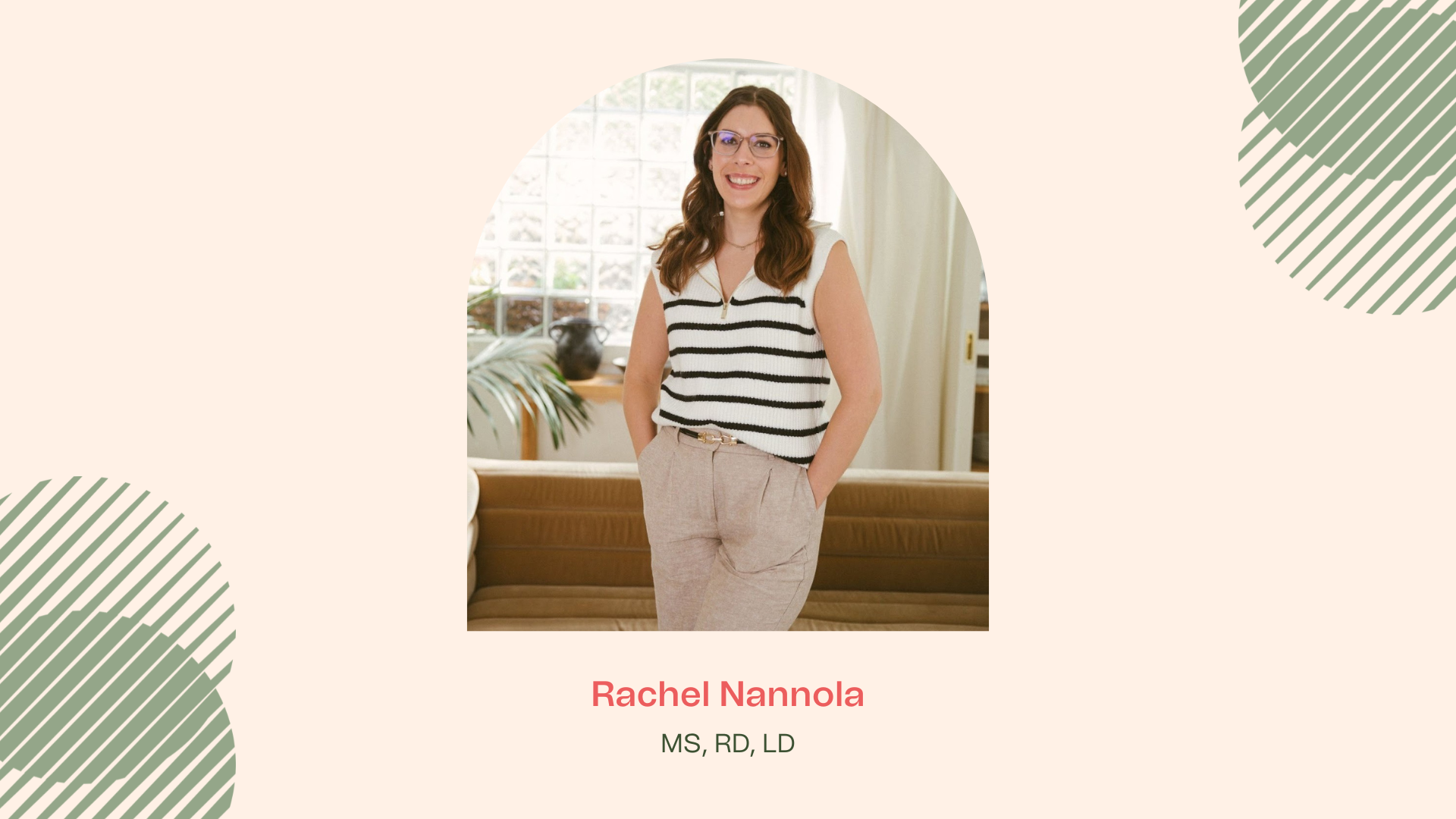
I love being a dietitian because nutrition and what we eat is so integral to our everyday lives. I love getting the chance to blend science with actionable steps that break down nutrition in easy to implement goals. Getting to see people's progress and walk alongside them to meet their goals has been very fulfilling. I also love helping clients widen the lense of what they view as healthy and develop a more positive relationship with food and caring for their bodies.
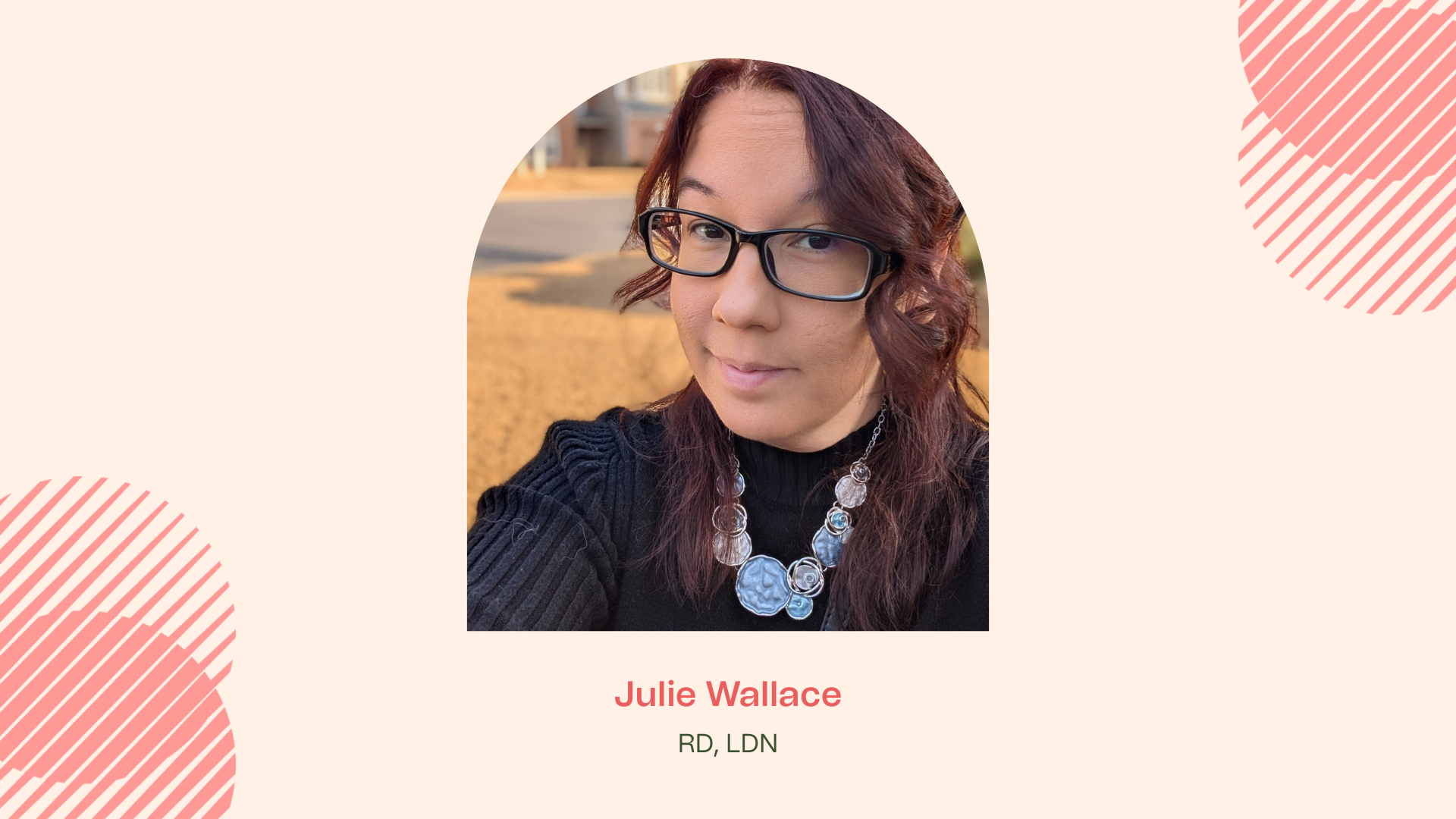
I love being a dietitian because it lets me tap into the things I love most: food, nature, puzzles, and helping people. I like to take all of the pieces and see how I can use them to help my patients. It’s so rewarding, whether it’s long-term changes or getting relief from a medical issue.
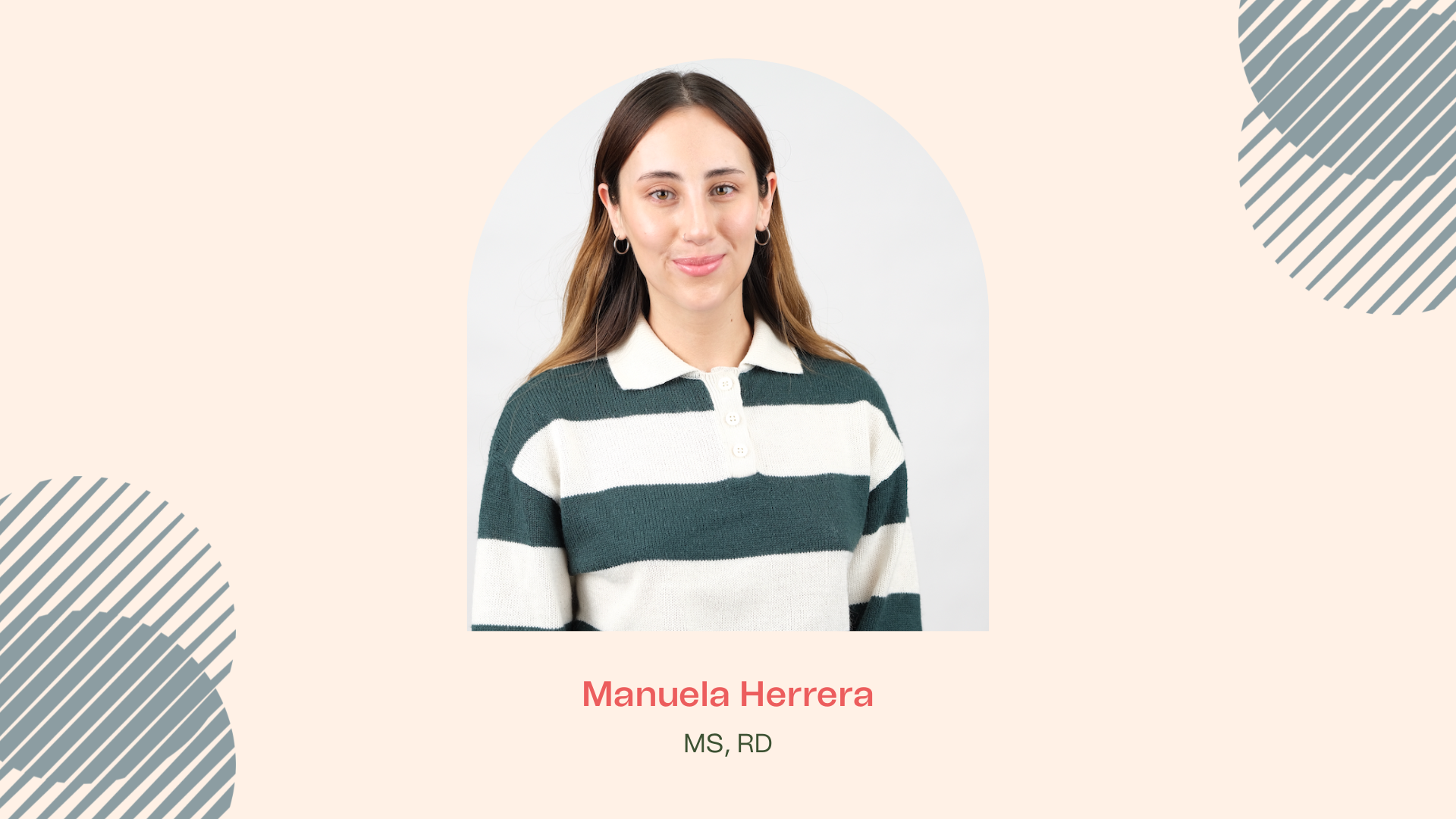
For me, nutrition is a key part of living a better life. It’s one of the areas where, within real-life limits like access and resources, we often have some ability to make changes that meaningfully impact how we feel day to day. Small shifts in nutrition can improve energy, digestion, health, and overall quality of life.
What I like most about being a dietitian is the human connection. I love listening and helping people make sense of what their bodies are communicating. I enjoy taking complex science and turning it into something practical, intuitive, and supportive.
I care about making nutrition feel collaborative, respectful, and empowering — not rigid or moralizing. Being a dietitian allows me to help people make changes that support better health and a more sustainable, enjoyable way of living.

To me, nutrition is about how food connects us and supports our bodies so we can live our best lives. I love being a dietitian because I believe understanding food is one of the most important tools for long-term health. The best part is helping people feel confident about the choices they make and seeing them reach their health goals.

I love providing nutrition care because food and nutrition are powerful tools to ease symptoms and improve health outcomes.
As a dietitian, I strive to bridge the gap between medical needs, long-term goals, and real life, helping people navigate nutrition in a way that’s realistic, sustainable, and compassionate.
There’s nothing more rewarding than helping people feel better and build confidence in their food choices.
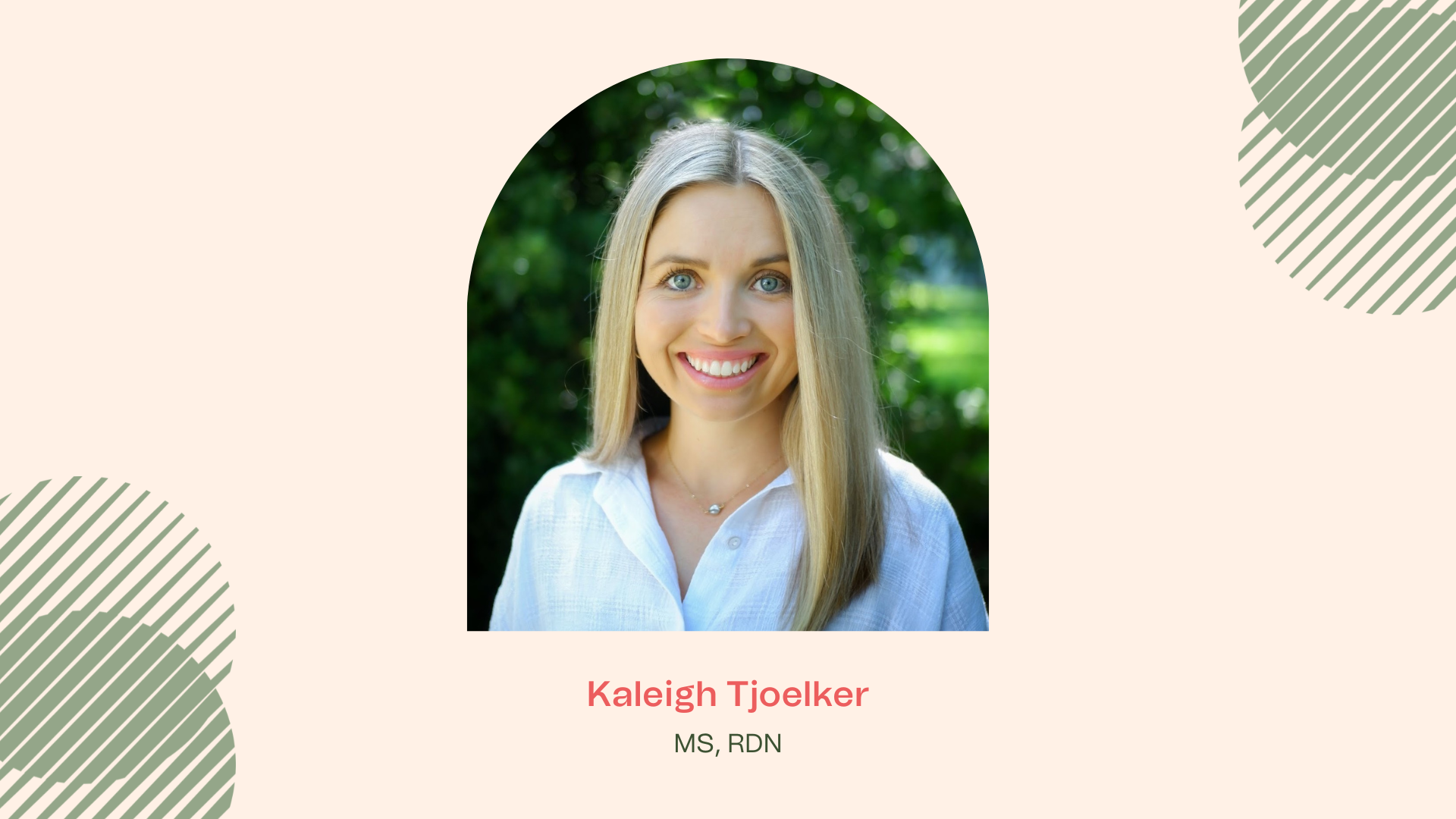
Nutrition means more than just food; it is a tool to prevent disease, manage health conditions, and support overall well-being. It is also a significant piece of our culture and quality of life. As a dietitian, I love helping individuals feel more confident about their food choices and seeing their health improve over time.

Nutrition, to me, is both a powerful tool to leverage health and a central component to quality of life. I love helping patients improve their relationships with food and guiding them in enjoying favorite foods and cultural diets while supporting long-term health goals.
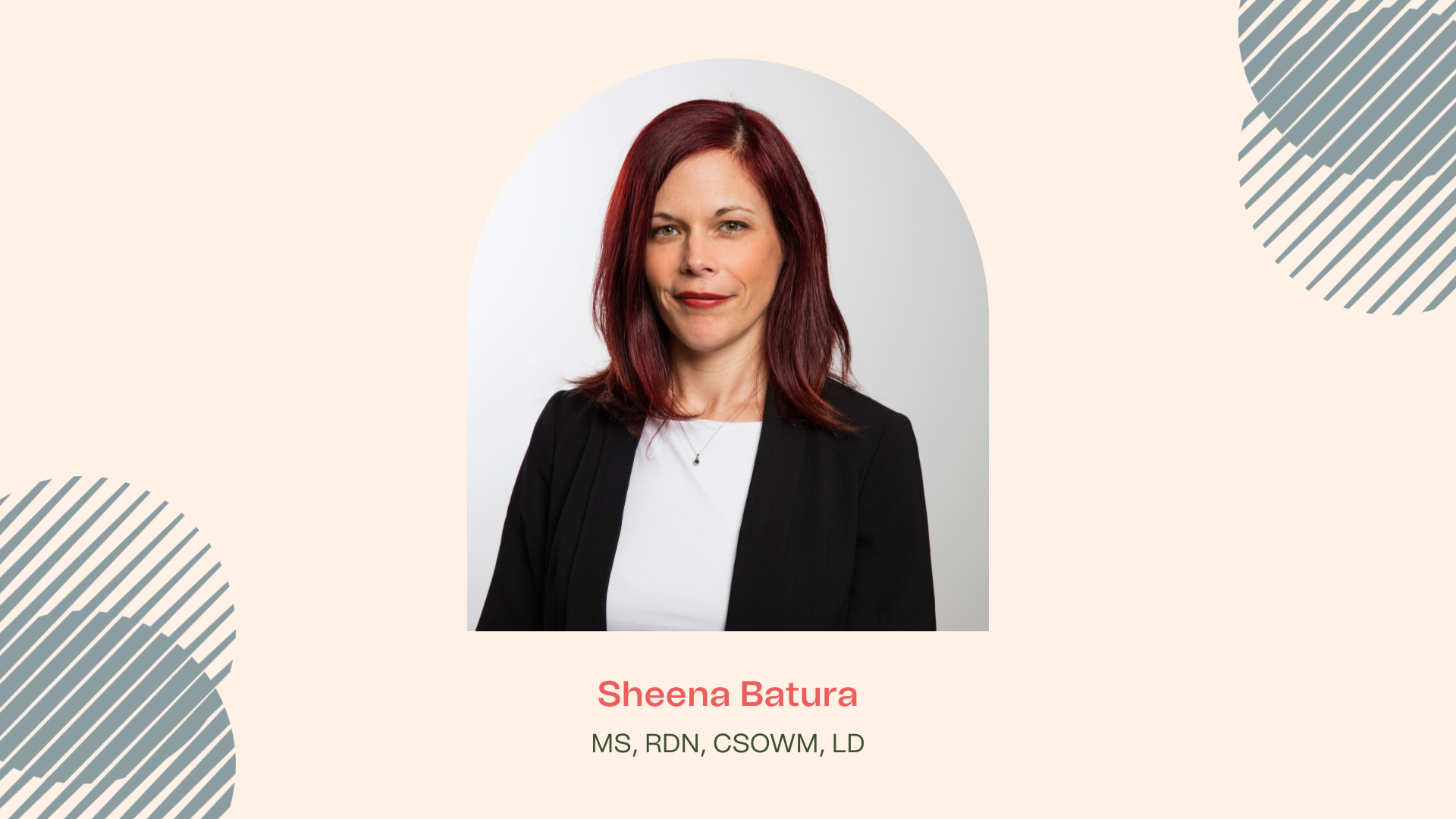
Nutrition goes beyond basic nutrients to sustain life. It’s part of culture, family traditions, and sense of self. As a dietitian, I strive to ensure nutrition is viewed as a positive ingredient for patients as they seek to improve their health and quality of life.
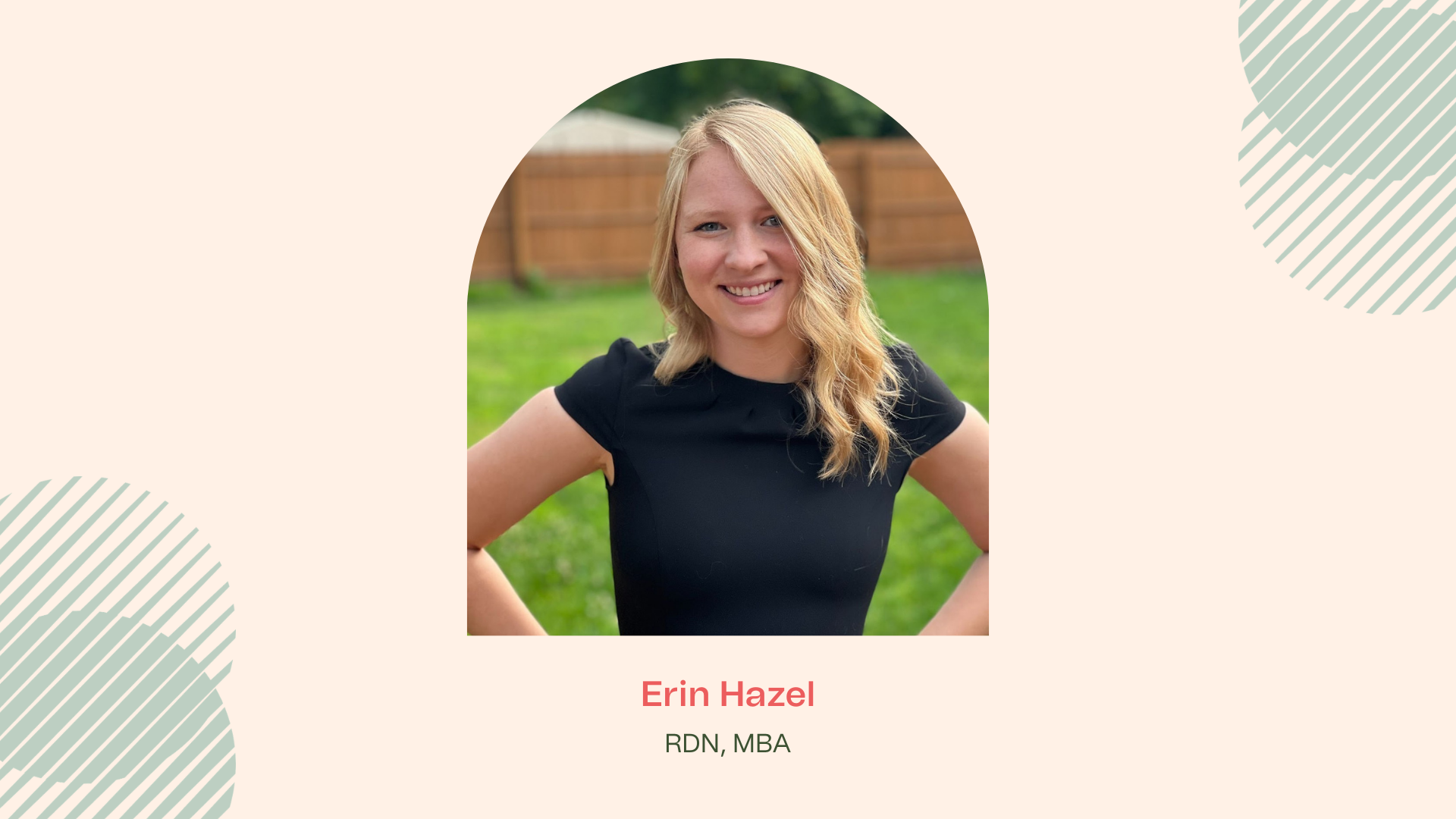
Nutrition to me is about supporting our bodies at every stage of life. It’s a way to support both physical and emotional well-being.
I love being a dietitian because I get to build real relationships and help people feel better in their everyday lives. Seeing small changes make a big difference is the best part.
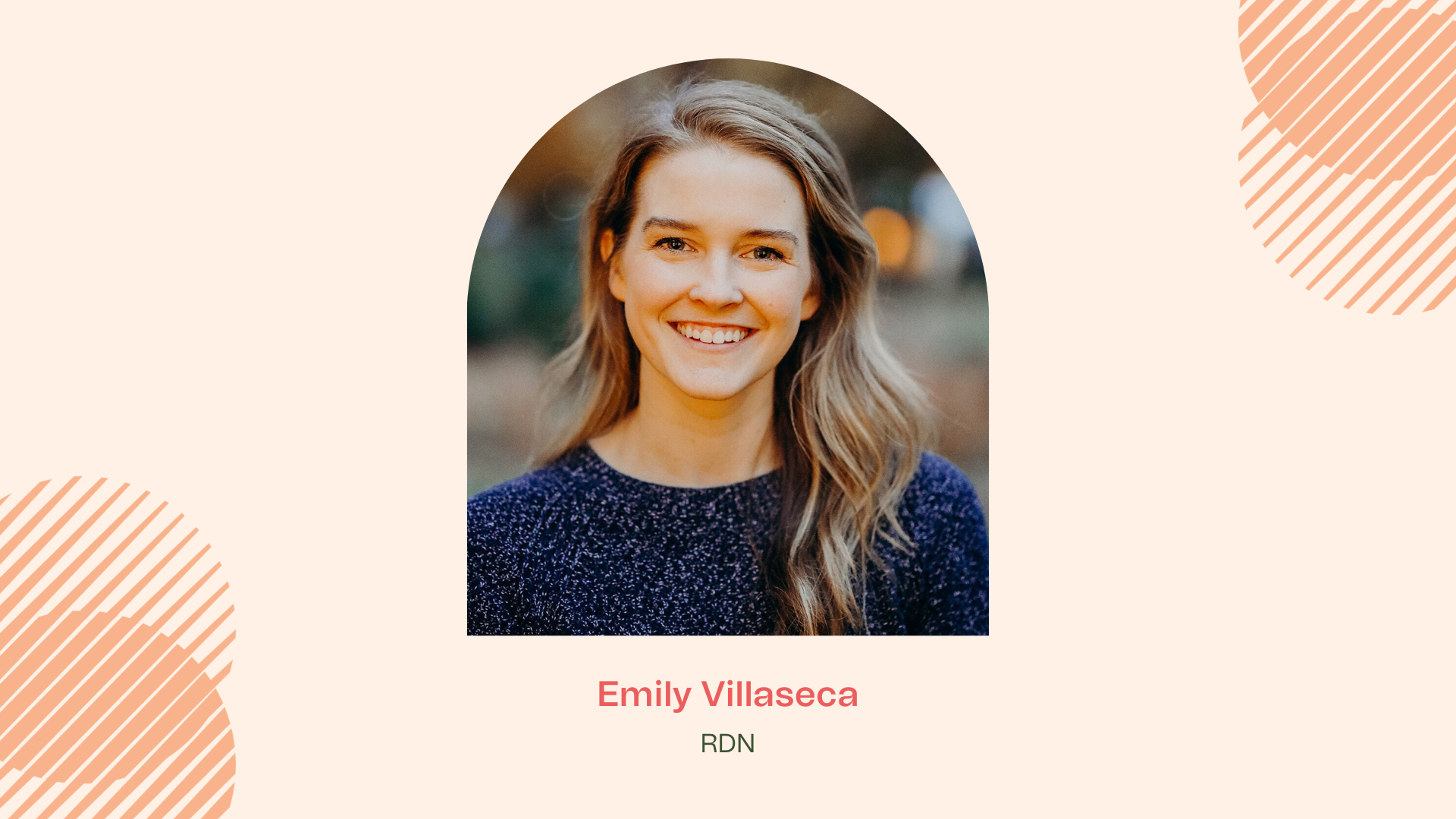
Nutrition to me involves both what we eat and why we eat. Working with clients to make recommendations that are useful and practical for their health, but also for their culture and preferences, is so important to me.
One of the things I like most about being a dietitian is helping clients learn how to enjoy food again, even the ones that have been “off-limits.” I believe deeply that food is meant to be enjoyed, and I’m always looking for ways we can reintroduce or adapt favorite meals so clients can find a way to eat well and feel their best.