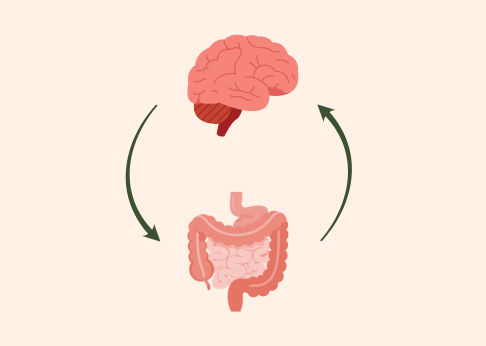

We're surrounded by environmental toxins every day — from pesticides and heavy metals to air pollution and chemicals in our food. Over time, exposure to these toxins can take a real toll on our health, disrupting our gut bacteria, triggering inflammation, and throwing our hormones out of balance.
Awareness of these exposures varies widely. Some people have spent years methodically swapping out harmful products in their homes and workplaces, while others are just beginning to learn. And if you're in that latter group, it's completely normal to feel a little overwhelmed — the sources of these exposures are woven into the fabric of everyday life.
But here's the encouraging truth: even small, simple changes can add up to substantial reductions in exposure over time. Take shampoo, for example. If you discover your current formula contains phthalates — chemicals known to disrupt the endocrine system — and you switch to a safer alternative, that single swap may feel insignificant at the moment. Yet repeated day after day, week after week, year after year, it represents a massive cumulative reduction in what your body is absorbing. One bottle at a time, it really does add up.
1. Store Food and Drinks Safely
Avoid storing or microwaving food in plastic containers; instead use glass, ceramic, or stainless steel containers. Replace nonstick cookware with cast iron, stainless steel, or ceramic alternatives. These changes reduce exposure to bisphenol A (BPA), phthalates, and per- and polyfluoroalkyl substances (PFAS), which are endocrine-disrupting chemicals that leach into food through contact with plastic and nonstick surfaces.
2. Switch to Green Cleaning Products
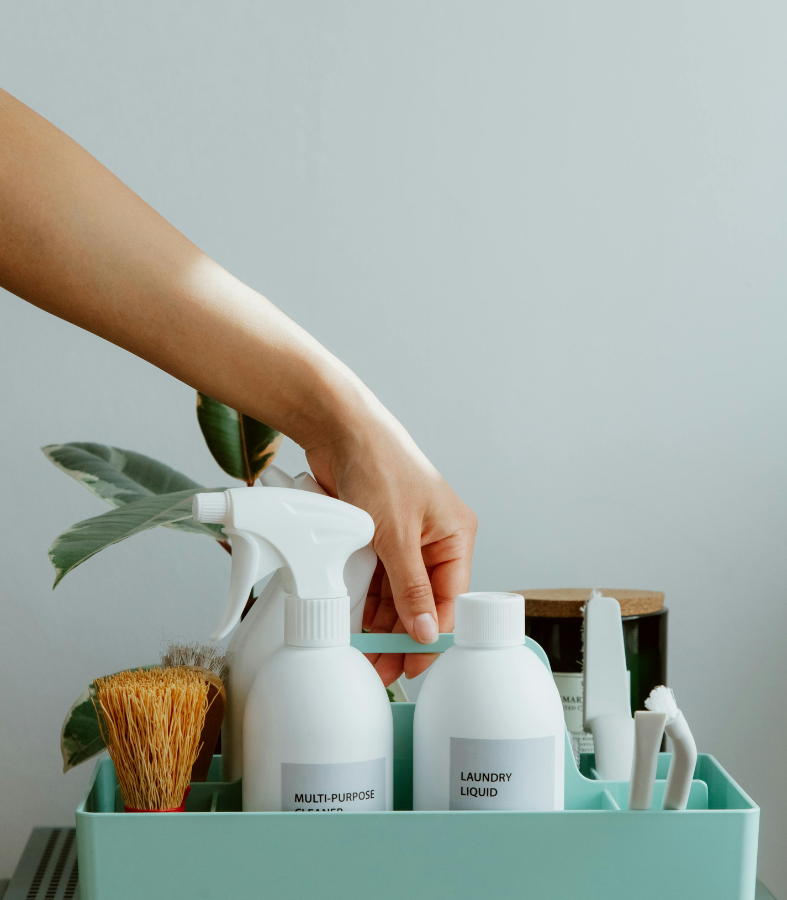
Conventional household cleaning products contain carcinogens and suspected endocrine disruptors. Switching to green cleaning products significantly reduces exposure to multiple harmful chemicals. Simple alternatives include baking soda, vinegar, and lemon. Most individuals who make the switch find green products work just as well as conventional products.
3. Control Indoor Dust
Indoor dust can carry harmful pollutants like lead, flame retardants, and pesticides at levels higher than outdoor soil. Wet mop floors and wipe surfaces with a damp cloth instead of dry dusting, which stirs particles into the air. Make it a habit to remove shoes at the door to avoid tracking contaminants inside.
4. Avoid Synthetic Fragrances
Fragranced products release volatile organic compounds (VOCs) and phthalates, which are linked to respiratory issues and hormone disruption. Switch to fragrance-free or unscented versions of your everyday personal care and cleaning products. When shopping, check ingredient labels and avoid products listing "fragrance" or "parfum" as these terms can mask dozens of undisclosed chemicals.
5. Choose Organic Produce when Possible
Organic produce significantly reduces your exposure to synthetic pesticides. If buying all organic is not feasible, prioritize the fruits and vegetables on the Environmental Working Group's Dirty Dozen list, a list featuring the most heavily sprayed conventional crops. Washing all produce thoroughly under running water is also a simple step that helps reduce pesticide residue.
Reducing exposure to environmental toxins doesn't require perfection. The goal is simply to make small, sustainable changes that gradually lower your overall toxic burden over time. Each swap — choosing glass over plastic, using fragrance-free products, or buying organic when possible — adds up and becomes meaningful when repeated consistently. Think of it as a series of small upgrades rather than a complete lifestyle overhaul. One change at a time, you can create a healthier environment for your body to thrive.