
August is National Gastroparesis Awareness Month, which means the Registered Dietitian team at Salvo Health is taking the opportunity to highlight this complex digestive disease. This condition, like many digestive disorders, may be largely invisible, but it greatly impacts the lives of the growing number of Americans diagnosed with the condition.
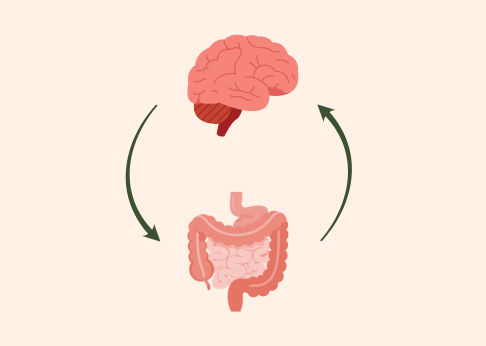
Gastroparesis is a disorder characterized by delayed gastric emptying, meaning the movement of food from the stomach to the small intestine is slowed. The food then stays, undigested, in the stomach for much longer than it should. Symptoms of gastroparesis include nausea, vomiting, regurgitation/reflux, early satiety or fullness after eating just a few bites of food, upper abdominal pain and bloating, difficulty regulating blood sugar, and decreased appetite. Gastroparesis is associated with various other conditions, including diabetes, surgery complications, infections, nervous system diseases, certain medication usage, and more. While treating these conditions often helps relieve some gastroparesis symptoms, there are also directed therapies, both pharmaceutical and nutritional, established for gastroparesis itself.
The symptoms and complications caused by gastroparesis can lead to malnutrition, unplanned weight loss, and changes in blood sugar.1 While there are medications commonly prescribed for those with gastroparesis, many of the symptoms can be managed by dietary changes and eating strategies.
Individuals with gastroparesis should eat small, frequent meals — choosing five to six small meals spread evenly throughout the day — rather than eating a larger breakfast, lunch, and dinner. Additionally, it is best to avoid foods that take a longer time to digest, such as raw vegetables, popcorn, whole grains, and other high-fiber foods. It is also important to eat a diet low in fat.
Other habits, such as smoking and drinking alcohol, can aggravate gastroparesis symptoms. Below are a few quick tips for eating with gastroparesis. Your Salvo Health registered dietitian can help you create a more individualized symptom management and meal plan as well as offer support for the difficulties living with this condition.
A gastroparesis friendly diet is low in fiber and low in fat.
How you eat matters as much as what you eat.
½ cup cooked cream of wheat
1 egg, scrambled or soft poached
1⁄2 cup canned peaches or pears
Smoothie made with: 1⁄2 small banana, 1/3 cup greek yogurt, 1⁄2 cup frozen cherries, 1 cup milk of choice
3/4 cup pureed butternut squash soup or chicken noodle with very soft noodles
6-10 plain crackers
½ cup cottage cheese
½ cup applesauce
4 oz baked fish or chicken cooked with 1 tsp olive oil
1⁄2 cup mashed potatoes
½ cup well-cooked carrots and zucchini
1 serving protein shake of choice
1. Definition & Facts for Gastroparesis | NIDDK. (n.d.). National Institute of Diabetes and Digestive and Kidney Diseases. Retrieved August 3, 2026, from https://www.niddk.nih.gov/health-information/digestive-diseases/gastroparesis/definition-facts
2. Lipp, R. W., Schnedl, W. J., Hammer, H. F., Kotanko, P., Leb, G., & Krejs, G. J. (2000). Effects of postprandial walking on delayed gastric emptying and intragastric meal distribution in longstanding diabetics. The American journal of gastroenterology, 95(2), 419–424. https://doi.org/10.1111/j.1572-0241.2000.01761.x