.png)
.jpg)
Fatty liver disease, also known as metabolic dysfunction-associated steatotic liver disease (MASLD), is a common condition where extra fat builds up inside your liver cells. Having a small amount of fat in the liver is normal, but when the fat makes up more than 5% to 10% of the liver's weight, it can cause health problems and harm the liver tissue. It’s estimated that about 100 million people in the United States have fatty liver disease, which can contribute to conditions such as type 2 diabetes, cardiovascular disease, and hepatocellular carcinoma.
Working with a registered dietitian (RD) can help improve your liver and overall health. An RD is a food and nutrition expert that earns a college undergraduate and/or graduate degree from an accredited dietetics program, has completed supervised practice and training to provide specialized nutrition care, and is required to pass a national exam for accreditation. This makes them uniquely qualified to assist people in improving their health through diet and nutrition.
1. Help you follow a Mediterranean-style eating pattern
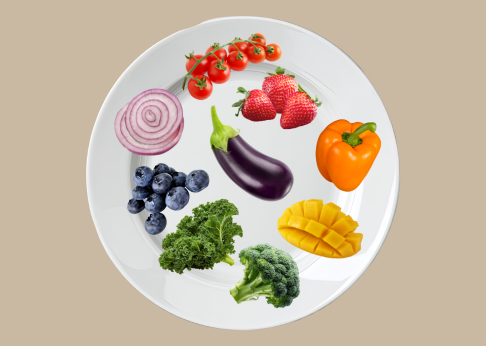
The Mediterranean-style diet is centered around fruits, vegetables, whole grains, and healthy fats and offers many health benefits. An RD can help you build meals around these food groups and identify high-quality protein sources like beans and other legumes, nuts, chicken, turkey, and fish. Research suggests that a Mediterranean-style diet may help reduce liver fat and improve insulin resistance in people with fatty liver disease.
2. Help you choose healthier carbohydrates and unsaturated fats
An RD can show you how to substitute refined grains and highly processed carbohydrates with whole grains, beans, and other high-fiber foods. They can also help you add more unsaturated fats from foods such as olive oil, nuts, seeds, and fish while reducing saturated fats. These changes support liver and heart health and may help improve insulin sensitivity and blood sugar management.
3. Reduce added sugar and sugary drinks
An RD can help you find realistic ways to cut back on sugar-sweetened beverages, sweets, and foods high in added sugar while still meeting your hydration needs. They can also teach you how to spot added sugars on food labels. Reducing added sugar, especially excess fructose, is an important part of a liver-friendly eating pattern as excess fructose intake has been linked to fatty liver disease (MASLD).
4. Support healthy, sustainable weight loss
For people who are overweight or have obesity, even modest weight loss can reduce liver fat. Research suggests that losing at least 5% of body weight can reduce liver fat, and even greater weight loss of ≥10% may provide additional benefits to reduce liver inflammation and fibrosis. An RD can create a gradual, realistic plan that helps you lose body fat with an individually tailored calorie decrease while maintaining muscle and getting the nutrients your body needs.
5. Create personalized nutrition plans, provide recipes, and healthier food and/or drink substitutions
Diets are not one-size-fits-all. What may work for one person may not work for the next person. An RD can adapt healthy eating recommendations to your favorite foods, culture, budget, cooking skills, and day-to-day schedule. They can provide meal ideas, recipes, portion guidance, and simple food swaps that make a liver-friendly diet easier to follow.
6. Help you consume more dietary fiber and nutrient-rich foods
An RD can help you identify foods that are naturally high in dietary fiber, such as vegetables, fruits, beans, lentils, whole grains, nuts, and seeds. Dietary fiber helps support blood sugar control and the gut microbiome. They can also help you include a variety of plant foods and healthy fats. This approach supports overall metabolic health and can make meals more filling and satisfying.
7. Help manage blood sugar, cholesterol, and blood pressure
Fatty liver disease (MASLD) often occurs alongside conditions, such as prediabetes, type 2 diabetes, high cholesterol, high blood pressure, and obesity. Our RDs work with you to modify your eating patterns to address all of these risk factors and conditions at once, providing streamlined, comprehensive care to improve your overall metabolic health.
8. Teach you how to make healthier choices when eating out
Following a liver-friendly eating pattern does not mean giving up restaurants or social events. An RD can teach you how to read menus, choose healthier options, manage portions, and make simple and healthy modifications or swaps. They can help you find an approach that fits your real life, instead of requiring a “perfect” diet, where even small changes can lead to health benefits.
9. Help you build healthy and sustainable lifestyle habits beyond food
Nutrition is only one part of managing fatty liver disease (MASLD). An RD can work with you on habits that support your overall health, such as regular physical activity, sleep hygiene, and stress management. They can also help you set realistic goals and find ways to make these habits sustainable in your everyday life.
10. Provide ongoing support and accountability
Changing eating habits can be difficult, especially when trying to make long-term changes. An RD can provide ongoing support, help you identify barriers to change, and adjust your plan as your needs change. The goal is to create healthy habits that fit your life and can be maintained over time.
There are numerous ways working with a Salvo Health registered dietitian nutritionist (RDN) can help improve fatty liver disease and support long-term lifestyle changes. RDNs can assist with personalized diet and nutrition interventions as well as provide guidance and support for day-to-day habits to support healthier sleep, stress management, and physical activity. If you’re interested in improving your liver health, Salvo Health dietitians are ready to help!
.png)