
“Bap meogeosseoyo?”
Growing up, I heard this phrase often. Sometimes it was asked casually, almost in passing. Translated literally, it means ‘Have you eaten rice?’ but, in Korean culture, the question often carries a deeper meaning. It’s a way of checking in on someone, asking how they are doing, and whether they are taking care of themselves or if they may need support.
In healthcare settings, I often find that food is discussed very differently. Foods can become complicated quickly, something to track, analyze, and limit. While these details are important, they don’t capture the full story of what they mean in our lives. Food has long been a love language in Korean families. It’s how we show care, express love, and connect with one another without needing to say the words directly. During Asian American and Pacific Islander Heritage Month, I am reminded that eating is not only nourishment for the body, but also a way to honor culture, build connection, and care for ourselves.
I think about the times my family gathered around the table to share a meal. It wasn’t just about eating; it was about being together. My parents would share stories about their lives in Korea, and I’d listen, learning about the traditions they carried with them. Food became the thread that tied us together, a reminder of where we came from and what we valued.
As I grew older, I began to see how food could be a way to bridge cultures. I remember bringing homemade kimbap (rice seaweed roll with vegetables) to school for lunch and feeling self-conscious when my classmates asked, “What’s that?” At the time, I wished for a peanut butter and jelly sandwich like everyone else. But as I grew into my identity, I realized that sharing these dishes was a way to share a piece of myself. Now, I see it as a way to celebrate my heritage and invite others to experience it with me.
In my work, I often encourage patients to reconnect with the foods that bring them comfort and joy. For some, it’s a childhood favorite that reminds them of home. For others, it’s a dish that feels grounding during a stressful time. I’ve seen how powerful it can be to reframe food not as something to fear or control, but as something that can nourish, connect, and support healing.
In many conversations about nutrition, comfort foods are sometimes labeled as indulgent or “off limits.” But in reality, comfort foods can provide both emotional and physical nourishment.
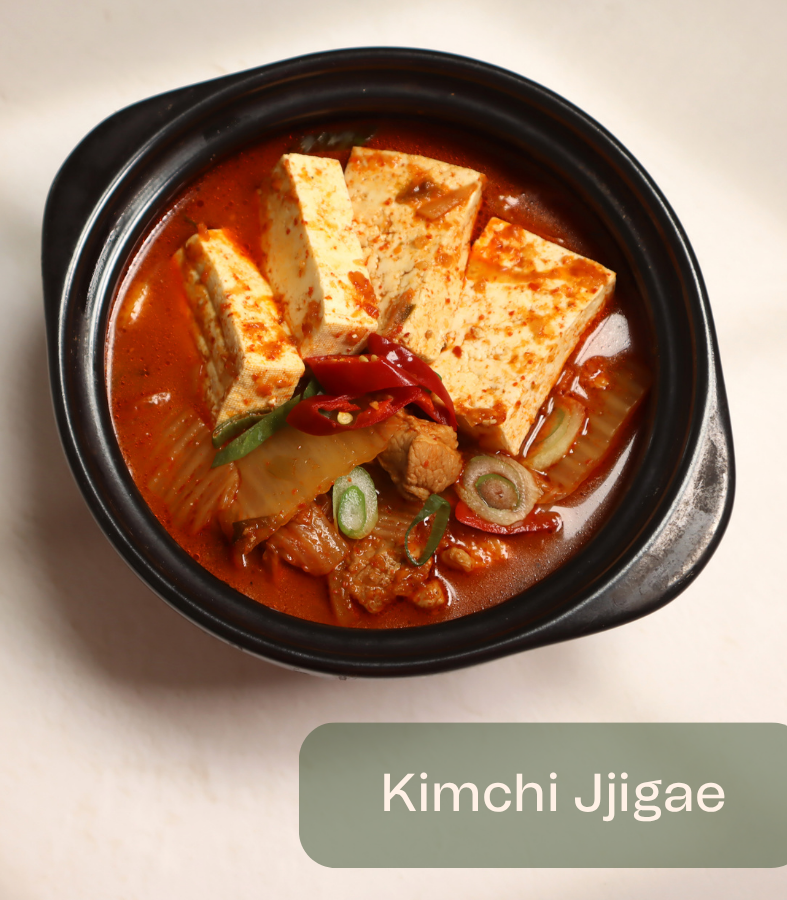
For me, it’s the bubbling pot of kimchi jjigae (kimchi stew) on a cold day or a simple bowl of gyeran bap (egg rice) when life feels overwhelming. These dishes instantly bring a sense of warmth and familiarity. They are simple and satisfying.
They also provide nourishment in different ways, whether through protein, fermented ingredients, or the sense of fullness. But what makes them meaningful goes beyond nutrients. It’s the memories, the familiar smells from the kitchen, and the feeling of being cared for.
When I think about the phrase “Bap meogeosseoyo?” or “Have you eaten yet?” I’m reminded that food has always meant more than the food itself.
It’s how we check in with ourselves and with one another.
It’s how we stay connected to culture, memories, and the people who matter most.
As a Korean-American dietitian, those values continue to shape the way I think about health. Nutrition certainly includes things like protein and fiber, but it also includes the comfort of familiar foods, the warmth of a home-cooked meal, and the small routines that help us care for ourselves each day.
Sustainable nutrition does not require perfection, nor does health need to come at the expense of comfort or joy. More often, it is built slowly, beginning with meals that feel manageable, satisfying, and steady — the kinds that make eating feel possible on any given day.
So whether you’re sharing a meal with family, enjoying a favorite dish that reminds you of home, or simply sitting down with a warm bowl of something comforting, the question still matters:
Have you eaten yet?
.png)
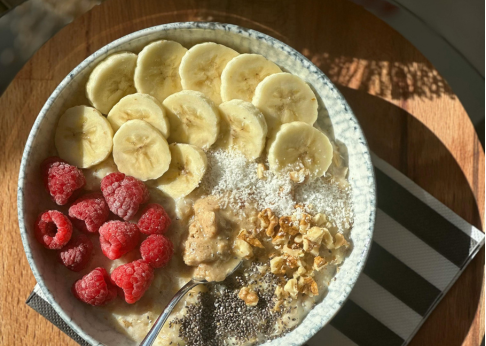
This duo is about a warm hug. It’s what I eat when I want to feel safe and grounded.
Ingredients:
Instructions:
Ingredients:
Instructions: