
While many people may start their wellness journey in January, starting any day is better than not starting at all. August highlights this as National Wellness Month, so why not start today?
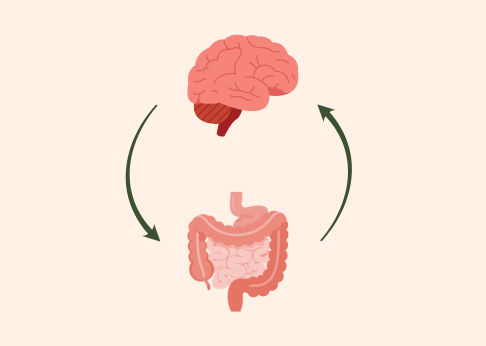
Wellness is about you — as a whole person, your sleep, what you eat (and how much and when!), how you move, your ability to handle stress, and so much more. Our bodies, our brains, and our digestive tract are interconnected. Ahead are five practical nutrition changes that can help improve gut health and support healthy digestion.
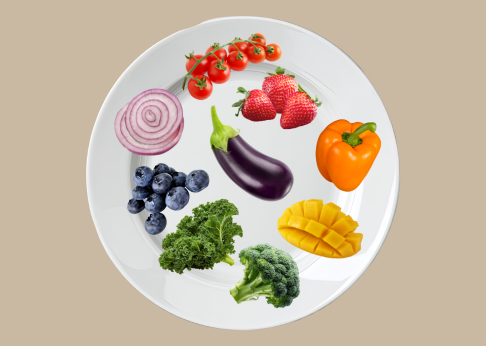
Fiber may feel like this “new big trend,” but it has been a cornerstone of general well-being for centuries. The great thing about fiber is that it’s about expanding what you eat. According to the USDA and NHANES, American adults are consuming roughly 16 grams of fiber per day, with the recommendations closer to 25-38g/day (depending on age and biological sex). Shockingly, over 90% of women and 97% of men across the country are falling short of these essential daily fiber targets.
Adding in just a spoonful of chia seeds or ground flax to oatmeal, a handful of spinach into a smoothie, or snacking on berries can add up through the day.
The benefits? Some fiber can help the gut bacteria release your body’s own peptides, such as GLP, a natural hormone your gut creates after you eat. Fiber can also help you feel fuller, longer, making it easier to stick to your health goals. Soluble fiber can also help lower LDL (“bad”) cholesterol.
With all of the options on supermarket shelves, it’s easier than ever to make simple swaps that improve digestion without feeling restrictive.
For example, choosing a whole grain pasta compared to regular pasta, trading white bread for sourdough bread, or swapping out rice for quinoa or oats can make a difference when it comes to digestion. Like fiber, these are beneficial to our microbiome.
Bonus: Fewer refined grains can help with blood sugar control and steady energy. The insoluble fiber from whole grains acts like a natural “broom” in the digestive system, often helping move food through smoothly, prevent slow digestion, and add bulk to stools (aka less constipation).
How much you drink and when can improve digestion. Chugging a huge glass of water with a meal can leave some feeling too full, bloated, or sluggish. Sipping on water between meals — instead of gulping it down while eating or at timed intervals — gives your digestive system the space it needs to work efficiently.
All liquids can count towards your hydration goal (with the exception of alcohol), though aiming for at least half of your fluids being from plain water is ideal. Consider taking smaller sips during meals to help wash down food, while aiming to drink the majority of your water about 30-60 minutes before and after eating.
Bonus: Spacing out fluids can help support your stomach’s natural acid and digestive enzymes, allowing them to break down food more easily. Plus, staying consistently hydrated between meals helps that fiber we just talked about do its job, keeping stools soft and preventing constipation.
Adding fermented foods into your routine is one of the quickest ways to introduce live, beneficial microbes into your digestive system. There’s no need to overhaul your entire diet. Start small — top a salad or grain bowl with sauerkraut or kimchi (my personal favorite), swap sour cream for plain Greek yogurt, or sip on kefir or kombucha in the afternoon.
Unlike fiber, fermented foods bring active cultures to the table — live bacteria that help support the intestinal barrier, strengthen the immune system (where over 70% of immune cells live!), and reduce gut inflammation over time.
Did you know digestion doesn’t start in your stomach — it actually begins in your mouth? In our fast-paced daily routines, it’s easy to rush through meals, swallowing large pieces of food and gulps of air that put extra strain on the digestive system.
Simply putting your fork down between bites, chewing thoroughly, and giving yourself time to eat without distraction allows your GI tract to do its job the way it’s meant to.
Bonus: Chewing triggers the release of salivary enzymes that begin breaking down carbohydrates faster. Slowing down also gives the brain time to receive fullness signals from your gut, reducing heaviness and gas after meals while helping prevent overeating.
Real wellness comes from taking small, practical steps consistently — not drastic overhauls or fad diets. Even one or two small nutrition shifts can make a noticeable difference in how you feel.
And since gut health isn’t one-size-fits-all, pairing these changes with guidance from your GI doctor, medical team, and dietitian is key.
1. What is the gut microbiome?
Think of it as your large intestine’s ecosystem — a community of bacteria, fungi, and viruses that all call it home. The beneficial bacteria that live here help digest food, produce vitamins, regulate immune function, and communicate directly with your brain.
2. How quickly can I expect to notice improvement in my digestion by making these changes?
Every digestive system moves at its own pace. Some people notice less bloating or improved energy within a few days of slowing down their meal pace or spacing out fluids. Microbiome shifts from adding fiber and fermented foods, however, can take a few weeks to build. Starting with just one or two small changes gives your gut time to adapt comfortably without feeling overwhelmed.
3. Are these high-fiber or fermented food swaps safe if I have a sensitive stomach or IBS?
While fiber and fermented foods are wonderful for long-term gut health, adding too much quickly can cause temporary gas or bloating insensitive stomachs. The key is to start low and go slow. If you have a diagnosed condition like IBS, IBD, or gastroparesis, it’s best to work with your GI doctor and registered dietitian to personalize these swaps to your specific tolerance.

.png)