%20(3).png)
.jpg)
From influencers online to your cousin at the family picnic, everyone seems to be focused on eating more protein. Why?
Protein plays many important roles in the body, including building and maintaining muscle, which is one of the reasons it has become such an important part of healthy, sustainable weight loss plans.
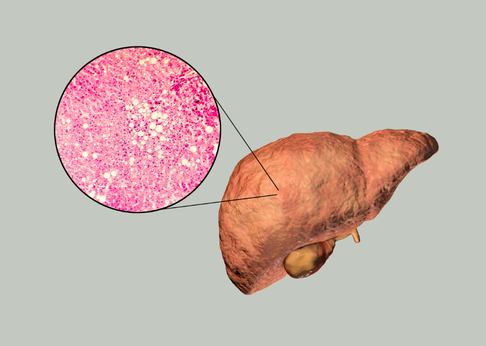
Roughly 100 million Americans are living with obesity (1), and about 1 in 3 Americans are living with MASLD, a complication of obesity. The use of GLP-1 medications to assist weight loss has skyrocketed in recent years. Roughly 12% of those surveyed report using GLP-1 medication for weight loss (up from 5.8% a few years ago) (3). Clearly, weight loss is something people are thinking about.
When you have a hearty dose of protein at each meal, you are more likely to feel content waiting 3 to 4 hours to eat again at your next meal. You’ll be less likely to raid the pantry for high-carb snacks 1 to 2 hours after eating.
Muscle mass helps sustain a healthy metabolic rate, which is to say, when you have more muscle, you burn more calories even while you’re at rest.
After you eat a meal, your blood sugar rises as carbohydrates are absorbed out of the digestive tract. Eating protein and healthy fats, alongside those delicious carbohydrates, leads to a slower rise in blood sugar. This is a plus for those trying to burn fat.
That's right — your body has to burn calories to digest your food, and protein takes the most energy to fully break down. Another plus for the weight loss journey.
Get protein from animal foods (chicken, beef, fish, etc.), dairy products, soy products (tofu, tempeh), beans, lentils, nuts/seeds, and whole grains. Take note, though, not all protein sources are equal. Animal proteins tend to have a higher protein density (i.e. more grams of protein for the calories), so they make a good base for meals. Use the plant protein sources to build layers of complexity that will help you hit your target and keep meals interesting.
Great question! The short answer is: it depends! The amount of protein intake depends on your age, how tall you are, how much muscle you already have, how active you are (the type of exercise you enjoy is a factor), any diagnoses you may be managing, and your unique food preferences. Your Salvo Health registered dietitian will help you answer these questions and find the right daily protein target.
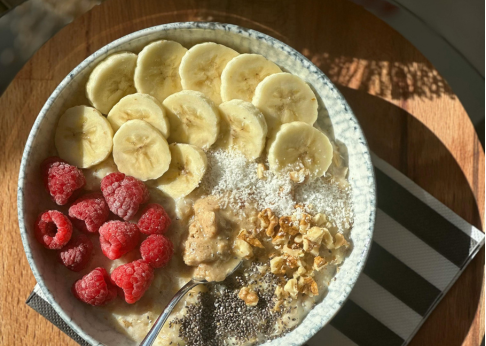
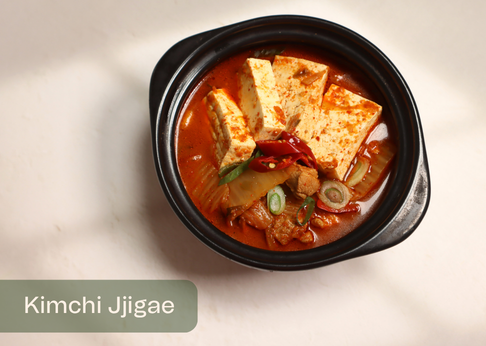
That said, many people will do well aiming for 30g of protein intake at every meal. Yes, every meal, even breakfast. But don’t worry, you do not have to have a whole chicken breast three times per day. Your Salvo Health registered dietitian will have plenty of ideas to help you find protein-rich meals and snacks that work for you. Here are some high-protein meals to get you started:
Meal 1:
1 whole egg – 7g protein
½ cup egg whites – 13g protein
½ cup seasoned black beans – 7g protein
½ ounce shredded cheddar cheese – 3g protein
½ cup roasted sweet potatoes – 2g protein
Total Protein: 32 grams
Meal 2:
4 ounces salmon – 24g protein
1 tablespoon teriyaki sauce – 0g protein
1 cup steamed broccoli – 4g protein
½ cup brown rice – 2g protein
Total Protein: 30 grams
Meal 3:
3 ounces marinated chicken thighs – 26g protein
½ cup high-protein pasta salad – 5g protein
1 cup leafy greens – 2g protein
Total Protein: 33 grams
Protein powder can be convenient for people with smaller appetites, those who are looking to increase muscle mass, and people who don’t enjoy eating large portions of meat. That said, protein powder is not essential. Talk with your Salvo Health registered dietitian about which type of protein powder is a good option for you.
Prioritize lean protein sources that are low in fat. Chicken breast, white fish, egg whites, and low-fat dairy are great options to keep in regular rotation. Fatty fish, such as salmon, are also a healthy choice because they provide both protein and heart-healthy omega-3 fats.
For certain conditions, like the early stages of kidney disease, excessive protein intake can be detrimental. For most patients, well-balanced high protein diets are beneficial.
Some people report a sluggish feeling in their gut if they increase their protein intake so much that they are unable to maintain intake of high fiber foods. Just remember to increase protein gradually and continue to eat fruits, vegetables, whole grains, nuts and seeds, and beans throughout the week.